
Watering
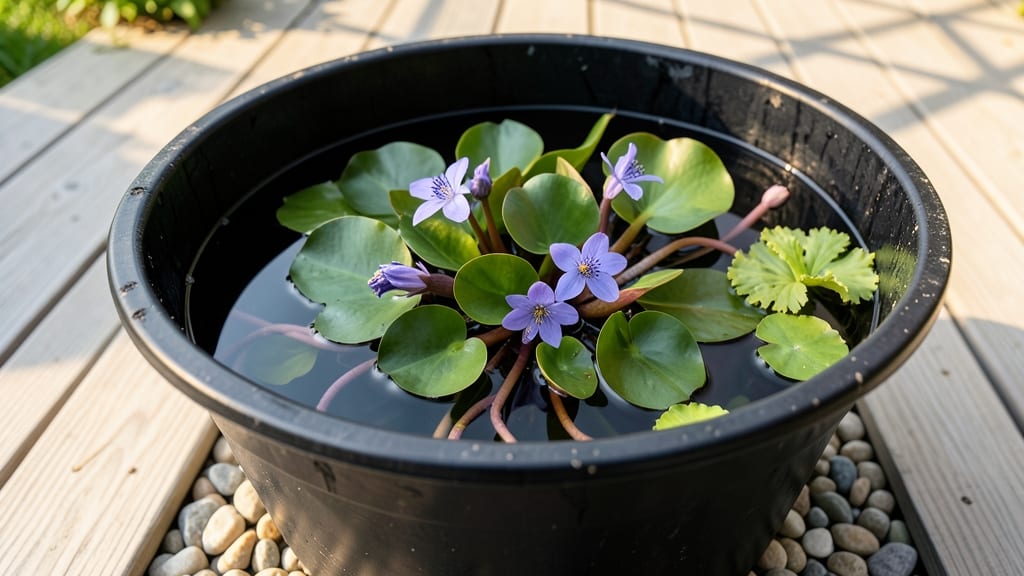
Growing container water garden plants lets you create a miniature aquatic oasis without digging a single hole—just add water, plants, and a little patience.
Picture this: a tiny pond on your balcony or patio, teeming with life, purifying the air, and keeping mosquitoes at bay—all while requiring less space than a single potted tomato. That’s the magic of floating aquatic plants in containers, and it’s easier than you think to set up and maintain.
From hardy water lilies to fast-growing duckweed, these low-maintenance plants thrive in as little as 6 inches of water, turning a simple bucket or half-barrel into a self-sustaining ecosystem. No soil needed, no complicated setups—just plug-and-play beauty that even beginners can master.
In this guide, I’ll walk you through choosing the right plants, setting up your container the easy way, and keeping everything lush and healthy year-round—so you can enjoy your own little water wonderland with minimal effort.
Top 10 floating water plants for container gardens without soil
Floating plants are the unsung heroes of container water gardens—no soil required! These hardy aquatic plants not only add stunning visual appeal but also purify water naturally, deter mosquitoes, and create a balanced ecosystem in just a few weeks.
The best part? Many thrive in as little as 6 inches of water in containers ranging from buckets to half-barrels.
I’ve curated this list based on ease of care, mosquito control benefits, and visual impact, so you can pick the perfect mix for your space—whether it’s a sunny balcony or a shady corner.
Each plant on this list has been battle-tested in containers, so you can skip the guesswork and dive right in.
Let’s start with the top performers for beginners. Water hyacinth takes the crown for mosquito control and fast growth, spreading lush purple blooms across your container’s surface in just weeks.
It’s a powerhouse for water purification too, absorbing excess nutrients that cause algae blooms. Just be warned—it multiplies quickly, so I recommend starting with just one plant per 5-gallon container.
For those with small spaces, duckweed is a game-changer. This tiny, green floating plant covers water surfaces in days, making it perfect for mosquito prevention and adding a unique texture.
It’s also edible—yes, you can harvest it for salads!—but only if you’ve confirmed it’s pesticide-free. A single spoonful can transform a stagnant container into a thriving micro-ecosystem.
If you want bold visuals, water lettuce delivers with its large, cabbage-like leaves that float like mini islands. It’s a sun-loving plant, so place your container in full light for the best results.
This plant grows aggressively, so trim it back regularly to keep it from overcrowding other plants in your setup.
Don’t overlook frogbit for its delicate, round leaves that resemble lily pads. It’s a low-maintenance option that thrives in partial shade, making it ideal for containers near trees or in dappled sunlight. Plus, it’s a favorite of beneficial insects like dragonflies, which help control mosquitoes naturally.
For tropical vibes, Amazon frogbit offers a striking, almost succulent-like appearance. It’s slightly more delicate than other options, so it’s best for warm climates (USDA Zones 9-11).
In cooler areas, treat it as an annual or overwinter it indoors. Its unique, quilted leaves add texture and contrast to any container garden.
If you’re after year-round interest, water spiderwort (or blue-eyed grass) is a standout. Its vibrant blue flowers pop against the green foliage, and it tolerates a range of light conditions.
This plant is also edible, with young shoots and flowers being safe to eat—just avoid over-harvesting to keep your garden thriving.
For ultra-compact spaces, watermeal is the smallest but mightiest option. It forms dense green mats that block sunlight and deter mosquitoes in containers as small as gallon jugs. It’s a fast grower, so monitor its spread to avoid overcrowding.
This plant is also a favorite among aquatic invertebrates, adding another layer of biodiversity to your mini ecosystem.
If your container gets partial shade
A container water garden with floating plants is a fantastic way to create a low-maintenance, self-sustaining ecosystem right on your patio or balcony. Unlike traditional ponds, these setups require no digging and can be customized to fit any space. The key lies in selecting the right container size, balancing plant ratios, and maintaining pristine water quality—all while avoiding common mistakes that can derail your project. Start by choosing a container with a minimum 12-inch depth to accommodate root growth and provide stability for floating plants. Plastic barrels, ceramic bowls, or even repurposed livestock tanks work beautifully. Ensure the container has no drainage holes to prevent water loss, but include a small mesh screen over any overflow spouts to keep pests out while allowing excess water to escape during heavy rain. Once your container is set up, plant placement is critical for long-term success. Floating plants like water hyacinth or duckweed should be spaced evenly to prevent overcrowding, which can lead to stagnant water and poor oxygenation. For every square foot of water surface, aim to cover about 50-70% with floating plants, leaving room for sunlight to penetrate and support submerged oxygenators like anacharis or hornwort. Monitor water quality closely, as stagnant water can quickly become a breeding ground for mosquitoes and algae. Use a simple aquarium test kit to check for ammonia, nitrites, and nitrates. If you notice discoloration or a foul odor, it’s time to perform a 25-50% water change and add a handful of beneficial bacteria (e.g., Microbe-Lift PL) to restore balance. In hot climates, consider adding a small solar-powered fountain to increase oxygen levels naturally. One of the biggest mistakes beginners make is overfeeding their container water garden. Floating plants thrive in nutrient-rich water, but excess fertilizers can lead to toxic algae blooms. Instead of liquid fertilizers, opt for slow-release tablets or organic options like compost tea. Prune plants regularly to remove dead foliage and prevent decay, which can cloud the water and harm your ecosystem. With the right balance of plants, light, and maintenance, your container water garden will become a self-sustaining haven for wildlife and a stunning centerpiece for your outdoor space. With patience and consistent care, your container water garden will flourish year-round, offering a tranquil retreat and a thriving mini-ecosystem—all without the need for a full pond. Start small, experiment with different plant combinations, and enjoy the process of creating your own aquatic oasis! 🌿💧How to set up a thriving container water garden with floating plants
Step-by-Step Setup Guide