
Watering
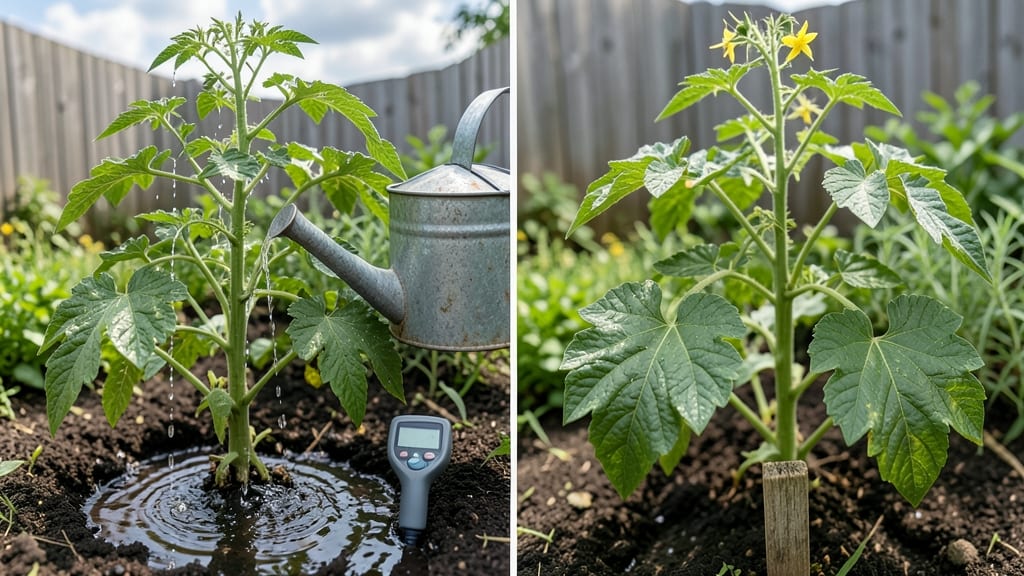
Yes, leaves curl when overwatered as your plant's way of signaling distress from root suffocation, oxygen deprivation, or fungal infections. You'll often see this paired with yellowing leaves, wilting stems, or moldy soil. Fix it by letting the top inch of soil dry out completely before watering again and improving drainage.
Overwatering creates a suffocating environment where roots can't breathe, forcing your plant to conserve moisture by curling its leaves. 🌱 This stress response happens because excess water blocks oxygen from reaching roots, while also promoting fungal growth that attacks root tissues.
The key is to check soil moisture before watering—stick your finger in the soil; if it's damp within the first inch, wait another day. I've found that container plants need even more careful monitoring since they dry out faster than in-ground plants.
What makes this tricky is that different plants react differently. Succulents, for example, will curl their leaves almost immediately when overwatered, while tropical plants might show signs more gradually. Always pair watering adjustments with better drainage—whether that means adding perlite to potting mix or ensuring containers have drainage holes.
The goal is to mimic natural rainfall patterns rather than keeping soil constantly wet.
💡 In This Article
- Why Overwatering Causes Leaf Curl in Plants
- How to Diagnose Overwatering vs Other Stressors
Why overwatering causes leaf curl in plants
When you see leaves curling from overwatering, it's your plant's emergency response to a suffocating root system. Excess moisture displaces oxygen in the soil, creating an anaerobic environment where roots can't respire properly. Without oxygen, root cells switch to fermentation for energy—producing ethanol as a byproduct.
This toxic buildup forces the plant to conserve water by curling leaves, reducing surface area and slowing transpiration. 🌱 Think of it like holding your breath underwater; your body reacts by panicking, and plants do the same with their foliage.
The damage goes deeper than just oxygen deprivation. Overwatering also triggers root rot, where fungal pathogens like Phytophthora or Pythium thrive in soggy conditions, breaking down root tissues. These fungi release enzymes that dissolve cell walls, causing roots to turn brown and mushy within 3-7 days of constant moisture.
Meanwhile, excess water leaches vital nutrients like nitrogen and potassium from the soil, leaving roots starved even as they drown. The combination of oxygen starvation and nutrient loss creates a perfect storm for cellular stress that manifests as leaf curling.
What's fascinating is how plants prioritize survival during this crisis. When roots can't absorb water efficiently, the plant's vascular system sends distress signals to leaves, triggering curling as a water-conservation tactic.
This response is often accompanied by other warning signs: leaves may develop a dull, limp texture (instead of crisp), and stems can feel soft to the touch. In severe cases, you might notice a musty smell from the soil—a clear indicator of fungal growth.
The key is catching these symptoms early, before the plant's root system collapses completely.
Different plant types react at different thresholds. Succulents like aloe or echeveria will curl almost immediately after overwatering because their roots are adapted to dry conditions, while tropical plants like ferns might take 2-3 weeks to show signs due to their higher moisture tolerance.
Even the soil composition plays a role: clay soils hold water longer than sandy mixes, making overwatering damage more severe in heavy soils. This is why container plants often show symptoms faster—their limited root space can't buffer against excess moisture.
Here's what's happening at the cellular level: when roots suffocate, they produce ethylene gas, a plant hormone that signals stress. Ethylene triggers leaf curling by altering cell wall flexibility in the leaf epidermis, causing cells to contract.
This process is similar to how some plants close their stomata (pores) to prevent water loss during drought—but in this case, the plant is drowning rather than dehydrating. The curling creates a protective barrier while the plant tries to redirect resources to surviving roots.
To visualize the damage, imagine roots as straws trying to suck up water. When submerged in water, those straws collapse, and the plant can't drink—yet it keeps trying to absorb moisture through its leaves, leading to that classic wilted, curled appearance. The good news?
With proper drainage and adjusted watering, most plants can recover their root function within 2-4 weeks if the damage isn't severe. That's why acting quickly when you spot these symptoms can make all the difference between saving your plant and losing it forever.