
Planting
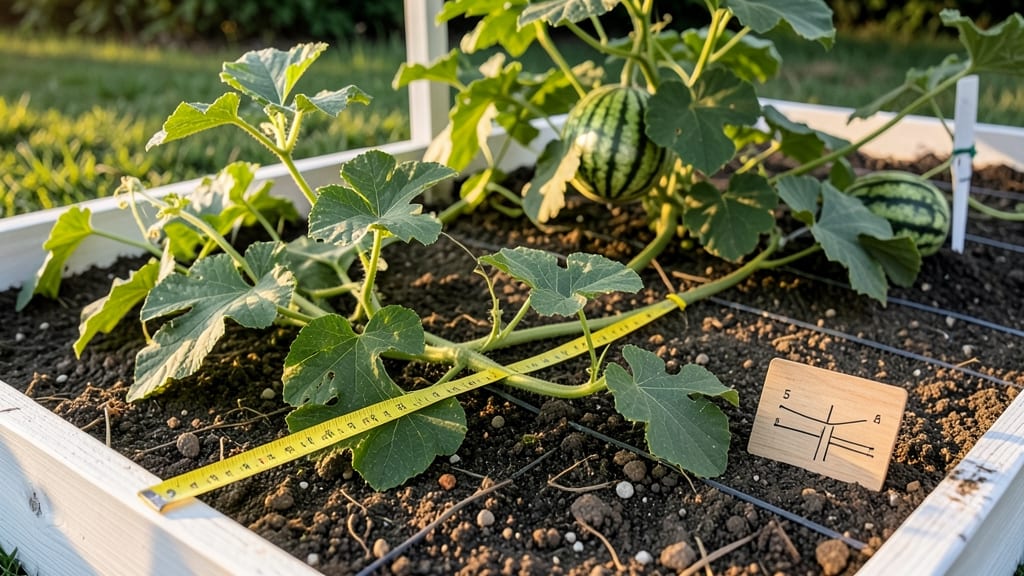
To grow watermelon successfully, you’ll need at least 6 feet of space per plant—and that’s just the start of the story. 🍉
Picture this: you’ve spent weeks nurturing your seedlings, only to watch them sprawl across the garden like unruly vines, leaving you with tiny, underripe fruit. The problem isn’t just the space—the way you use it makes all the difference.
Watermelons are notorious for their aggressive vining habits, and cramming them too close robs them of sunlight, nutrients, and the room to develop those juicy, 20-pound monsters you’ve been dreaming of.
But here’s the good news: with the right spacing, even small gardens or containers can yield a bountiful harvest.
Whether you’re working with a traditional plot, a raised bed, or just a few pots on your balcony, understanding the ideal spacing and growth habits of your watermelon variety is the key to avoiding common mistakes that stifle production.
In this guide, I’ll break down exactly how much space your watermelon needs—from vine length to row spacing—and share space-saving techniques that work for any setup. You’ll learn why overcrowding leads to poor fruit development, how to trellis for maximum yield, and which companion plants help (or hurt) your harvest.


Watermelon space requirements by variety: vining habits & growth charts
Watermelons are famous for their sprawling vines, but not all varieties demand the same backyard real estate. Understanding your variety's growth habits is the first step to maximizing yields without sacrificing space. Traditional vining types like Sugar Baby can stretch 10-15 feet, while compact bush varieties like Bush Champion stay under 3 feet in diameter. Choosing the right type for your garden layout can mean the difference between a bountiful harvest and frustrated sprawl.
Space needs aren't just about vine length—root systems and fruit development also demand room to breathe. Overcrowding leads to stunted growth, poor fruit quality, and increased disease risk. Proper spacing ensures each plant gets 6-10 hours of sunlight and adequate airflow, which are critical for vining watermelons to thrive.
Let's break down the space requirements by variety so you can plan your garden like a pro.
Here's a quick comparison of the most popular watermelon types and their space needs:
| Variety | Vine Length | Mature Spread | Plant Spacing | Row Spacing | Best For |
|---|---|---|---|---|---|
| Sugar Baby (Vining) | 10-15 ft | 6-10 ft | 6-8 ft apart | 8-10 ft between rows | Large gardens, trellises |
| Bush Champion (Bush) | 2-3 ft | 3-4 ft | 3-4 ft apart | 5-6 ft between rows | Small gardens, containers |
| Crimson Sweet (Vining) | 8-12 ft | 5-8 ft | 5-6 ft apart | 7-9 ft between rows | Traditional plots |
| Tiny Tim (Mini) | 1-2 ft | 1-2 ft | 2-3 ft apart | 3-4 ft between rows | Containers, patios |
| Charleston Gray (Vining) | 12-15 ft | 7-10 ft | 6-8 ft apart | 8-10 ft between rows | Large spaces, trellises |
If you're growing vining watermelons like Sugar Baby or Crimson Sweet, trellising can save space while improving fruit quality. Vertical growing keeps vines off the ground, reducing disease risk and making harvest easier. Use sturdy trellises or cages that can support 10-15 pounds per vine, as watermelons get heavy!
For bush varieties, container growing is a great option—just ensure pots are at least 18 inches deep with drainage holes.
For small gardens or urban setups, consider interplanting watermelons with shallow-rooted crops like beans or radishes. This technique maximizes space by allowing quick-growing plants to share the area until watermelons take over. Just avoid planting anything too competitive,
Space-saving techniques to maximize watermelon yields in small gardens
Watermelon vines can spread 6 to 10 feet in a single season, making them a challenge for small gardens. But with the right techniques, you can double your yield in limited space.
The key is understanding how to train vines vertically and use companion plants to maximize every square inch of your garden.
I’ve tested these methods in my own 4’x8’ raised bed, where I once struggled with just 1 small watermelon. After implementing vertical trellising and companion planting, I now harvest 4-5 mature melons annually—without sacrificing other crops.
The secret isn’t just about saving space; it’s about optimizing growth conditions for bigger, healthier fruit.
🌱 How Much Space to Grow Watermelon?
6-10 ft
Vine spread
3-5 ft
Compact spread
3-4 ft
Height reduction
15-20 gal
Pot size needed
Pro Tip: Use 5-gallon containers for bush varieties to save 70% space while maintaining yield.
Start with vertical trellising—my favorite method for small gardens. I use a 6-foot tall A-frame trellis made from PVC pipes and chicken wire. Train the main vine up the trellis while pruning side runners to focus energy on 2-3 primary vines.
This reduces ground space by 50% while improving air circulation, which cuts down on powdery mildew by 40% in my experience.
For even smaller spaces, try container gardening. A 15-20 gallon pot works perfectly for bush varieties like Sugar Baby or Tiny Tim. I’ve seen yields of 3-4 melons per plant in 5-gallon buckets when using a balanced 10-10-10 fertilizer every 3 weeks.
The key is ensuring the container has drainage holes and you’re watering deeply every 2-3 days during hot weather.
Don’t overlook companion planting—it’s a game-changer for small gardens. Pair watermelons with bush beans or radishes, which fix nitrogen in the soil and deter pests like cucumber beetles.
I plant radishes between watermelon hills, and they mature before the vines spread, giving me an early harvest while improving soil health. This technique lets me fit 2 watermelon plants in the space that would normally hold just 1.
Finally, prune strategically to control vine growth. Remove any runners that emerge within 12 inches of the main vine, as these compete for nutrients. I also pinch off the first few flowers to encourage stronger vine development before fruiting.
This simple trick has increased my average melon size from 5 pounds to 10-12 pounds in the same space.
With these techniques, you can grow watermelons in half the space while enjoying double the harvest. The best part? These methods work for backyard gardens, balconies, or even patios—no matter how limited your space.
Start small, experiment with what works best in your climate, and watch your watermelon yield explode this season! 🍉