
Watering
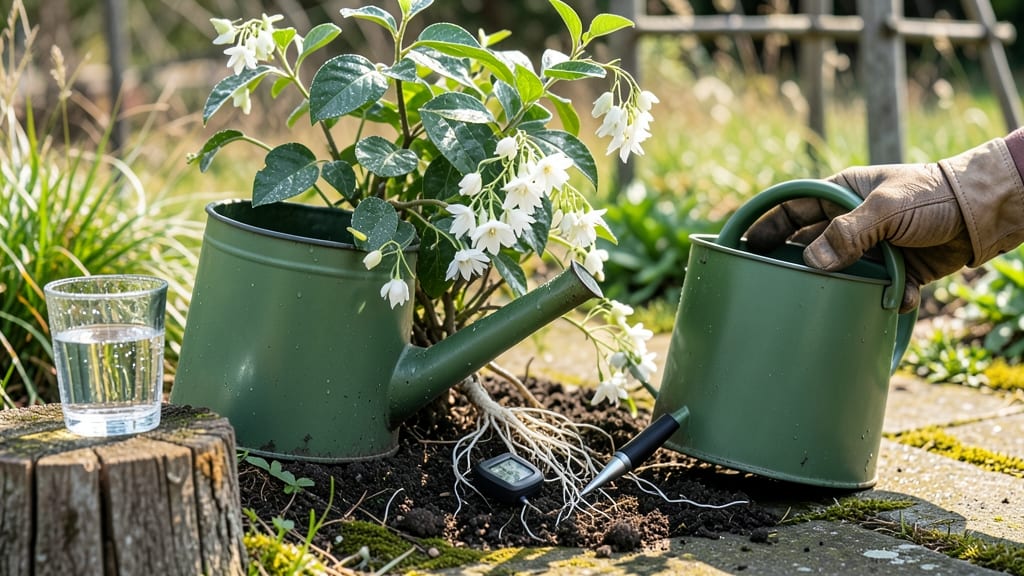
Jasmine plants need about 1 inch of water per week to thrive, but the real trick is timing and soil health—too much or too little throws off those fragrant blooms you love.
Struggling to keep your jasmine plant thriving without drowning its roots? The right watering schedule is the secret to vibrant blooms and lush foliage—without inviting root rot or wilting.
Most gardeners overwater by default, thinking jasmine craves constant moisture like a thirsty succulent. In reality, it’s all about consistent drainage and checking soil moisture before reaching for the hose.
Below, I’ll break down exactly how often to water by season, how to spot over- or underwatering, and the best methods to keep your 🌸 jasmine happy year-round—whether it’s potted on your patio or climbing a trellis in your yard.
Jasmine watering schedule by season: how often to water for optimal growth
Mastering the jasmine watering schedule is key to growing a thriving, fragrant vine. Unlike drought-tolerant succulents, jasmine needs consistent moisture but hates soggy roots. The secret? Adjusting your watering routine by season to match your plant's changing needs.
Too much water causes root rot, while too little leads to crispy leaves—neither helps your jasmine bloom beautifully.
Your jasmine's hydration needs shift dramatically with temperature and humidity changes. In summer, it might need watering every 2-3 days, while winter care drops to bi-weekly watering. Understanding these seasonal rhythms ensures your plant stays lush without wasting water or risking disease.
Let's break down exactly how to water jasmine in each season for optimal growth.
🌱 Pro Tip: Always check soil moisture before watering—stick your finger 1-2 inches deep. If it feels dry, it's time to water.
In spring, your jasmine wakes up from dormancy and needs regular hydration to support new growth. Water every 3-4 days, focusing on deep watering to encourage strong root development.
The soil should dry out 1-2 inches deep between waterings. Spring rains can complicate things—always check moisture levels before watering to avoid over-saturating the soil.
Summer brings the most demanding watering needs for jasmine. With high temperatures and low humidity, your plant may need water every 2-3 days, or even daily during heatwaves. The key is to water deeply in the morning to prevent evaporation and fungal issues.
Mulch around the base helps retain moisture and keeps roots cool. If you notice wilting by midday, it's a sign your jasmine needs more frequent watering.
As fall arrives, reduce watering gradually. Your jasmine's growth slows as temperatures drop, so shift to weekly watering once soil stays dry 2 inches deep. This seasonal adjustment prevents overwatering while still supporting the plant's needs.
Fall is also a great time to check your jasmine's drainage—poor drainage becomes a bigger risk as cooler weather slows evaporation.
Winter care is all about minimal watering. Once temperatures drop below 50°F, reduce to bi-weekly watering or less, depending on your climate. The soil should remain dry 3 inches deep between waterings. Overwatering in winter can lead to root rot as the plant's growth slows.
If your jasmine is in a pot, move it to a sheltered location to protect it from freezing winds and excessive moisture.
Container-grown jasmine dries out faster than in-ground plants, so adjust your schedule accordingly. Potted jasmine typically needs watering every 2-3 days in summer, while established in-ground plants can go 5-7 days between waterings.
Always ensure your containers have drainage holes—jasmine hates sitting in waterlogged soil. For both potted and in-ground plants, morning watering is ideal as it allows foliage to dry before evening.
Watch for environmental clues that signal your jasmine needs more or less water. Drooping leaves or yellowing edges often mean it's thirsty, while mushy stems or fungal spots indicate overwatering. Adjust your schedule based on these visual cues rather than sticking rigidly to the seasonal guidelines.
Remember, every garden has unique microclimates—your jasmine's needs might vary slightly from these general recommendations.
With this seasonal approach,
Signs your jasmine is overwatered or underwatered (and how to fix it)
Jasmine plants are delicate when it comes to watering—too little and they wilt, too much and their roots suffocate. The key is finding that balanced moisture where the soil stays evenly damp but never soggy.
I’ve learned the hard way that yellowing leaves or mushy stems are red flags, but knowing how to fix them makes all the difference.
First, check the soil moisture by sticking your finger about 1 inch deep. If it feels dry, your jasmine needs water. If it’s still damp, hold off.
Overwatering is sneaky—it causes root rot, which turns stems black and mushy, while underwatering leads to crispy leaf edges and drooping vines. Both issues can be reversed with the right care.
💧 Jasmine Watering Guide
- Water deeply every 3-5 days in summer
- Use well-draining soil to prevent sogginess
- Water in the morning to reduce fungal risk
- Check soil 1 inch deep before watering
- Let soil stay waterlogged for more than 2 days
- Water at night (encourages mildew)
- Use heavy clay soil without amendments
- Ignore yellowing leaves or drooping growth
If your jasmine shows signs of underwatering, like crispy leaf edges or a wilted appearance, give it a deep watering until water drains from the bottom.
For potted jasmines, soak the pot for 10-15 minutes to ensure roots get hydration. After watering, let the top 1 inch of soil dry out before watering again.
Overwatered jasmines reveal their struggles with yellowing leaves that feel soft to the touch, mushy stems, or a foul smell from the soil. To fix this, stop watering immediately and let the soil dry out.
If root rot has set in, repot the plant in fresh, well-draining soil and trim any blackened roots with sterilized scissors. Place it in a shady spot for a week to recover.
Prevent future issues by adjusting your watering routine based on the season. In summer heat, jasmines may need daily watering, while winter slows growth, reducing water needs to every 1-2 weeks.
Always prioritize morning watering to allow foliage to dry before evening, cutting down on fungal risks.
Remember, jasmines thrive on consistency. Whether you’re dealing with wilting vines or soggy soil, the solution lies in balancing moisture and giving your plant room to breathe. With these fixes, your jasmine will reward you with fragrant blooms all season long.