
Watering
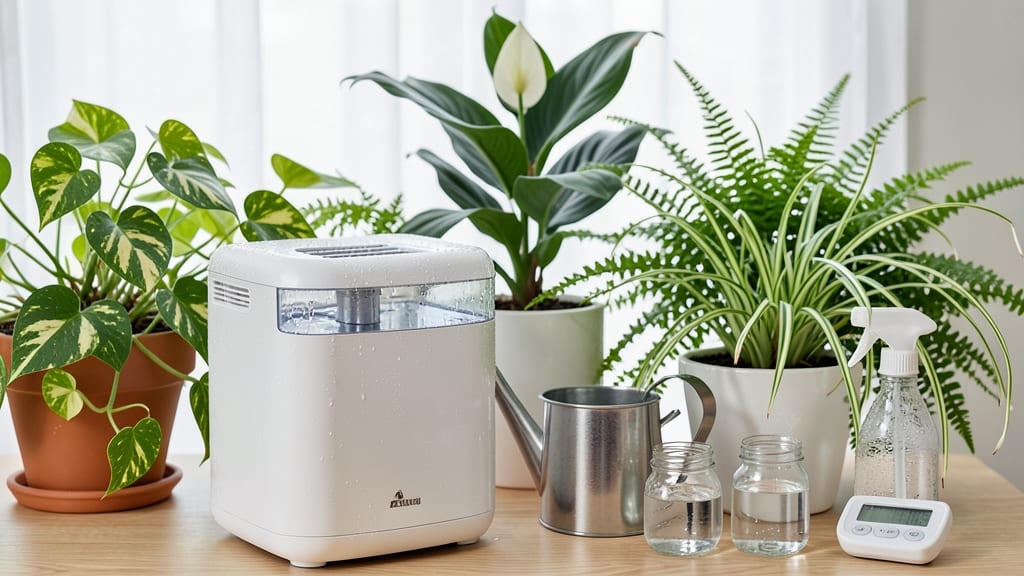
Dehumidifier water can be good for plants in moderation, as it’s free of chlorine and fluoride, but it may contain dust, mold spores, or light mineral deposits from indoor air. Always use it sparingly and avoid overwatering to prevent root rot or mineral buildup.
Dehumidifier water offers a chlorine-free alternative to tap water, which many plants appreciate since these chemicals can stress roots over time.
However, the water collected from indoor air often carries microscopic particles like dust, pollen, or even mold spores—especially if your home has poor ventilation. 🌱 The key is moderation: use it occasionally for hardy plants like snake plants or pothos, but avoid it for sensitive varieties like ferns or orchids, which prefer pristine water conditions.
I’ve found that diluting it with distilled water (1:1 ratio) reduces mineral risks while still providing a soft water option.
For best results, reserve dehumidifier water for misting tropical plants or as a top-dressing for soil moisture—never as a primary water source. Always check your dehumidifier’s filter regularly, as dirty filters can introduce even more contaminants into the collected water.
💡 In This Article
- Why Dehumidifier Water Differs From Tap Water for Plants
- Safe Ways to Use Dehumidifier Water on Houseplants
Why dehumidifier water differs from tap water for plants
Dehumidifier water stands out from tap water because it lacks chlorine and fluoride—two common additives in municipal water systems that can irritate plant roots over time.
Tap water often contains 1-4 parts per million (ppm) of chlorine as a disinfectant, which, while safe for humans, can stress delicate root systems, especially in sensitive plants like African violets or peace lilies. Dehumidifier water, however, collects moisture directly from indoor air, bypassing these chemicals entirely.
This makes it particularly appealing for plants that thrive in soft, chemical-free water, such as orchids or bromeliads.
The downside? Dehumidifier water absorbs whatever's floating in your indoor air—dust, pollen, mold spores, and even trace amounts of volatile organic compounds (VOCs) from cleaning products or furniture. In homes with poor ventilation, these particles can accumulate in the water at concentrations of 0.5-2.0 mg/L, depending on air quality.
For example, a home with a pet might introduce fur particles, while a damp basement could add higher levels of mold spores. 🌬️ This is why dehumidifier water often appears slightly cloudy or leaves a faint residue when evaporated.
The mineral content also varies: while tap water may deposit calcium or magnesium, dehumidifier water typically contains only trace minerals from household dust.
Another critical difference is the pH level. Tap water usually ranges from 6.5 to 8.5, while dehumidifier water tends to be slightly acidic, often between 5.0 and 6.0, due to dissolved carbon dioxide from indoor air.
This acidity can be beneficial for plants that prefer slightly acidic soil, like blueberries or gardenias, but may stress calcifuge species (those sensitive to alkaline conditions). The pH also fluctuates based on indoor humidity levels—drier air produces more acidic condensate, while humid conditions yield near-neutral water.
For gardeners using dehumidifier water, the biggest variable is your home’s indoor environment. Homes with forced-air heating systems may introduce more dust and allergens, while homes with central air filtration might produce cleaner condensate.
Testing your water occasionally with a simple pH strip or TDS (total dissolved solids) meter can reveal these differences. For instance, a TDS reading above 100 ppm suggests higher mineral or particulate content, signaling it’s time to clean your dehumidifier’s filter or avoid using the water for sensitive plants.
One often-overlooked factor is the temperature of dehumidifier water. Since it’s collected as condensate, it’s typically 5-10°F cooler than room temperature, which can be refreshing for plants during hot summer months. However, this chilled water can shock roots if used directly on tropical plants accustomed to warmer conditions.
Always let it sit at room temperature for 30 minutes before watering to avoid thermal stress. 🌡️
Understanding these differences helps explain why dehumidifier water isn’t a one-size-fits-all solution. While it’s gentler on roots than chlorinated tap water, its variable quality means it requires careful monitoring—especially in homes with known air quality issues like mold or high pollen counts.