
Watering
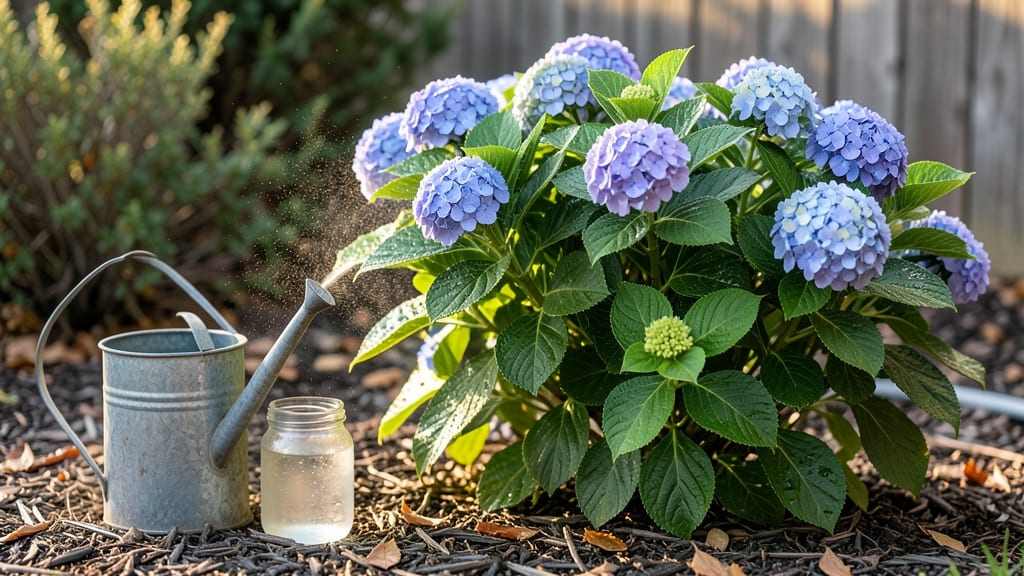
Using softened water on plants harms growth by removing vital minerals like calcium and magnesium, which causes stunted development and root weakness. For healthy plants, always use filtered or rainwater instead.
Softened water replaces essential minerals with sodium ions during the softening process, which plants can't absorb. This creates a nutrient imbalance that affects everything from leaf formation to flowering. 🌱 For example, calcium deficiencies often show up as distorted new growth, while magnesium shortages cause yellowing between leaf veins.
Many gardeners don't realize their plants are silently suffering until they notice these subtle signs of stress.
Even if you can't eliminate softened water completely, there are ways to mitigate the damage. Collecting rainwater in barrels or using a simple reverse osmosis filter for watering creates a mineral-rich alternative.
For non-edible plants like ornamentals, you can even remineralize softened water by adding a pinch of Epsom salt or crushed eggshells to restore some calcium and magnesium. The key is understanding your plants' specific needs and adjusting your watering approach accordingly.
💡 In This Article
- How Water Softener Chemicals Harm Plant Nutrients
- Best Alternatives to Softened Water for Healthy Plants
How water softener chemicals harm plant nutrients
Water softeners use sodium ions to replace calcium and magnesium in hard water, creating a chemical imbalance that directly impacts plant health. When you water plants with softened water, the excess sodium disrupts the soil's natural chemistry by displacing these essential minerals from the root zone.
Calcium, for example, is critical for cell wall formation—without it, new growth becomes weak and distorted, while magnesium shortages cause yellowing between leaf veins (a classic sign of chlorosis). 🔥
This mineral displacement isn't just about quantity—it's about availability. Plants absorb nutrients through a delicate ion exchange process in the soil. Sodium ions, which are larger and less reactive than calcium or magnesium, don't bind well to soil particles, making them less accessible to roots.
Studies show that prolonged use of softened water can reduce soil calcium levels by up to 40% within months, while magnesium drops by 30%. Even potassium, a key nutrient for energy transfer in plants, becomes less available when sodium dominates the soil solution.
The damage extends beyond just these three minerals. Iron, which is essential for chlorophyll production, becomes even harder for plants to uptake when soil pH rises due to sodium accumulation. You'll often see iron deficiency symptoms—pale yellow leaves—appearing first in younger growth, even when the soil appears fertile.
The root system also suffers as sodium can cause soil compaction over time, reducing oxygen availability and making roots more susceptible to rot. 💫
What makes this particularly insidious is how subtle the early signs can be. Many gardeners notice problems only after months of using softened water, when plants start showing stunted growth or poor flowering.
Tomato plants, for instance, may develop blossom-end rot (a classic calcium deficiency symptom) even when given adequate fertilizer. The confusion often arises because gardeners assume their plants need more nutrients when the real issue is nutrient unavailability caused by the softened water.
Even if you're using a high-quality fertilizer, the problem persists because fertilizers provide nutrients in their ionic forms. When sodium dominates the soil solution, it outcompetes these ions at the root surface, creating what scientists call "nutrient lockout."
This is why you might see fertilizer burn symptoms—your plants are literally starving at the cellular level despite having plenty of nutrients in the soil. The solution requires addressing both the water quality and the soil chemistry simultaneously. ✨
Consider this real-world example: A vegetable garden using softened water for irrigation showed 25% lower yields in tomatoes and peppers compared to identical plants watered with rainwater, despite receiving the same fertilizer applications.
The difference came down to nutrient availability—plants watered with softened water simply couldn't access the nutrients in the soil, even when they were present in optimal amounts. This demonstrates why water quality matters just as much as soil quality in plant nutrition.