
Plants
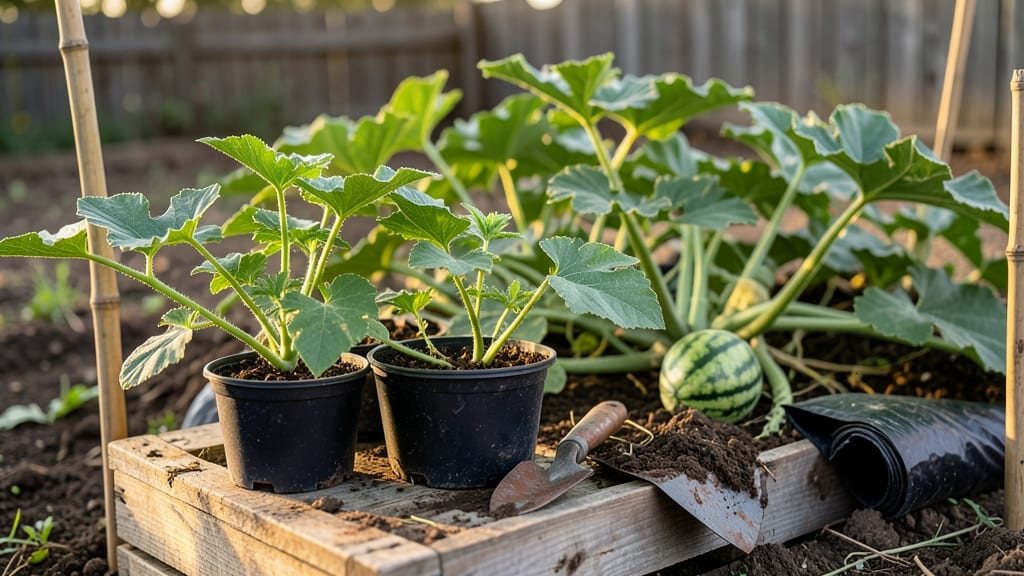
Planting watermelons in Tennessee after your last frost date—typically mid-April to early June—sets you up for a sweet harvest from July to September.
But here’s the catch: plant too early, and a late frost will turn your tender seedlings into sad, wilted memories. Too late, and you’ll miss the 75-day window most varieties need to ripen before fall cools down.
The good news? With the right timing, Tennessee’s long growing season lets you grow watermelons that rival the ones at the farmers' market.
This guide breaks down the best planting windows by USDA Zone (6a–7b), soil temperature tricks to speed up germination, and the top varieties that handle Tennessee’s heat and humidity like champions.
Whether you’re in East Tennessee’s cooler valleys or West Tennessee’s sweltering plains, you’ll find the exact dates and tips to maximize your 🍉 harvest.
Ready to go from seed to slice? Let’s dive into the zone-specific dates, soil prep secrets, and care routines that’ll turn your garden into a watermelon powerhouse.
Best planting dates for Tennessee watermelons by USDA Zone
Tennessee’s diverse climate—from the cooler Appalachian Mountains to the hotter Mississippi Delta—means USDA Zones 6a-8a all offer prime conditions for watermelons. But timing is critical: Plant too early, and frost will kill seedlings; too late, and your harvest arrives after summer’s peak.
The key is aligning your planting with soil temperatures and last frost dates specific to your region.
Most Tennessee gardeners wait until after the average last frost date, which typically falls between mid-April and early May. However, soil temperature matters more than air temperature—watermelon seeds need soil that’s at least 70°F to germinate.
In Zone 6a (eastern Tennessee), this might mean waiting until late May, while Zone 8a (western Tennessee) can start as early as mid-April.
Use this zone-specific planting guide to determine the best window for your area, along with soil prep tips to ensure strong germination and vigorous vines.
In Zone 6a, where frosts linger longer, I recommend waiting until late May to plant watermelons outdoors. If you’re eager to start earlier, use biodegradable seed pots and transplant seedlings after the soil warms.
For Zone 8a, you can even plant early-maturing varieties like 'Sugar Baby' as soon as soil reaches 65°F in early April for a June harvest.
Soil preparation is just as important as timing. Watermelons thrive in well-draining, sandy loam soil with a pH between 6.0 and 6.8. Before planting, amend your soil with 2-3 inches of compost and a balanced 10-10-10 fertilizer to provide essential nutrients.
Raised beds work well in cooler zones like Zone 6a, as they warm up faster in spring.
If you’re in West Tennessee (Zone 8a), you can push your harvest even earlier by using black plastic mulch to raise soil temperatures by 5-10°F. This trick lets you plant 3-4 weeks earlier than the average window, giving you a June harvest instead of July.
Just lay the mulch down 2 weeks before planting to let it heat up the soil.
For East Tennessee gardeners (Zone 6a), consider starting seeds indoors under grow lights 4-6 weeks before your last frost date. Transplant seedlings outdoors only after soil temperatures consistently stay above 70°F for at least a week.
Harden off seedlings by placing them outdoors for 2-3 hours daily the week before transplanting to reduce shock.
One common mistake is planting watermelons too late in the season. If you miss the early May window in <
How to extend your Tennessee watermelon season with smart techniques
Tennessee’s humid summers and long growing season create perfect conditions for watermelons—but why limit yourself to just one harvest? With the right techniques, you can extend your season by weeks, even months!
Whether you want to start earlier or harvest later, these proven methods will help you beat the heat and frost while maximizing your yield.
From cold frames to heat-tolerant varieties, each strategy is tailored to Tennessee’s microclimates. Whether you’re in the cooler Appalachian foothills or the hotter Mississippi Delta, these techniques will give you more time to enjoy homegrown watermelons straight from the vine.
- Use cold frames in Zone 6a to start seeds 4-6 weeks earlier than outdoor planting dates.
- Deploy floating row covers to protect seedlings from late spring frosts and extend fall harvests by 2-3 weeks.
- Plant heat-tolerant varieties like 'Sugar Baby' or 'Crimson Sweet' for longer harvest windows in hot microclimates.
- Implement succession planting every 2 weeks from May to July for staggered harvests.
- Use black plastic mulch to warm soil faster, allowing earlier planting in cooler zones.
One of my favorite ways to push back frost is by using cold frames. These simple structures trap heat during the day and release it at night, creating a 5-10°F warmer environment.
In East Tennessee’s Zone 6a, I’ve started watermelon seeds under cold frames as early as late March, giving me a 3-week head start on the season. Just be sure to remove the frame once daytime temperatures consistently stay above 70°F to avoid overheating.
For those late-summer harvests, floating row covers are a game-changer. These lightweight fabrics protect tender watermelon vines from early fall frosts while still allowing sunlight and water to pass through.
In West Tennessee’s Zone 7b, I’ve extended my harvest by up to 3 weeks by keeping row covers on until the first hard frost. Just remember to secure the edges tightly to prevent pests from sneaking in.
Choosing the right watermelon varieties can also make a big difference in your season’s length. Heat-tolerant varieties like 'Sugar Baby' and 'Crimson Sweet' thrive in Tennessee’s 90°F+ temperatures and produce fruit even when other varieties might struggle.
These varieties also have shorter maturity times (around 70-75 days), so you can plant them multiple times throughout the summer for continuous harvests.
Don’t overlook the power of succession planting. Instead of planting all your watermelon seeds at once, space out your plantings every 2 weeks from mid-May to early July. This ensures you’ll have watermelons ripening at different times, giving you a steady supply throughout the summer.
Just be mindful of your garden space—watermelon vines need plenty of room to sprawl!
Finally, black plastic mulch is a simple but effective way to warm your soil faster and get an earlier start. By laying down mulch 2-3 weeks before planting, you can raise soil temperatures by 10-15°F, allowing you to plant seeds 1-2 weeks earlier than usual.
Plus, it suppresses weeds and retains moisture—win-win for your watermelons!