
Plants
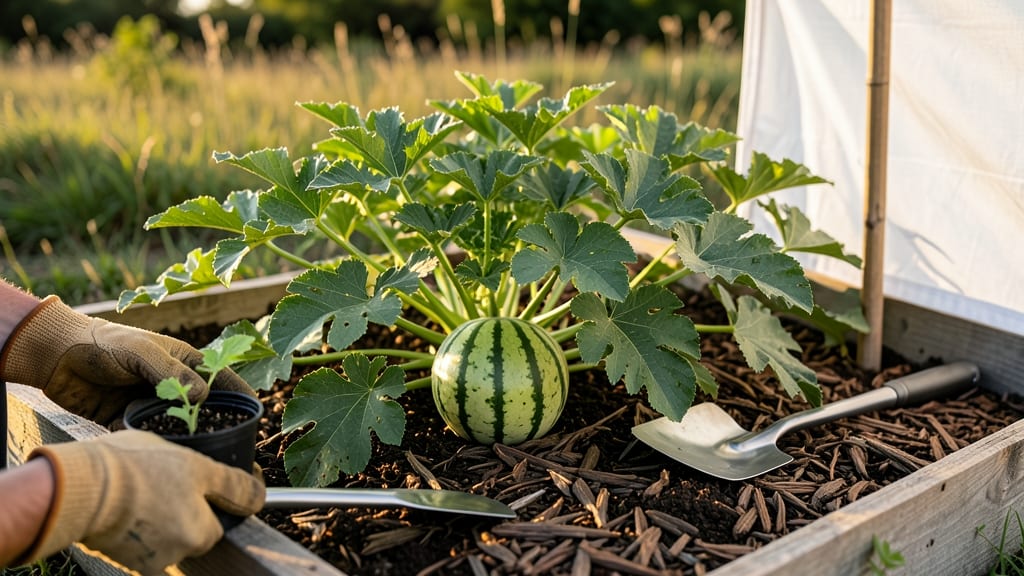
To plant watermelon in Zone 7b, aim for mid-April to early June after the last frost date—soil must stay above 70°F for seeds to germinate properly.
Zone 7b gardeners know timing is everything—plant too early, and frost will kill your seedlings; too late, and summer heat might stunt growth. But with the right strategy, you can enjoy juicy, homegrown 🍉 every season.
Most watermelons need 75-90 days to mature, so starting seeds indoors 4-6 weeks before the last frost gives them a head start. If you’re direct-sowing, wait until nighttime temperatures consistently stay above 60°F.
Below, I’ll break down the exact window for your region, the best heat-resistant varieties, and pro tips to ensure reliable germination—no more wasted seeds or half-sized fruits.
Optimal planting timeline for watermelon in Zone 7b: avoiding frost and heat stress
Watermelons thrive in Zone 7b, but getting the timing right is critical. The last frost date typically falls around April 15, but soil temperatures must reach at least 70°F before planting.
In my experience, waiting for both conditions ensures strong germination and healthy vines. Rushing too early risks frost damage, while planting too late may lead to stunted growth from summer heat.
For direct sowing, aim for mid-April to early May once nighttime temperatures consistently stay above 55°F. This window gives seedlings enough time to mature before summer's peak heat arrives.
If you prefer transplants, start seeds indoors 4-6 weeks before your target outdoor date—usually late March—to give them a head start.
Here’s a quick reference to help you plan:
Zone 7b’s climate can be unpredictable, so I always check weekly frost forecasts and monitor soil temperatures with a thermometer. If frost warnings linger past April 15, consider using row covers or a temporary greenhouse to protect young plants.
For late starts, opt for fast-maturing varieties like 'Crimson Sweet' (70 days) or 'Sugar Baby' (80 days) to ensure a harvest before summer’s peak heat.
Another trick I’ve used is warming the soil with black plastic mulch laid down 1-2 weeks before planting. This raises temperatures faster, helping seeds germinate quicker. Just remove the mulch once sprouts appear to avoid overheating. Pair this with drip irrigation to maintain consistent moisture—watermelons hate dry spells during flowering.
If you’re in a cooler microclimate within Zone 7b, like higher elevations, push planting back to early May. Conversely, if you’re in a warmer microclimate, you might start as early as late March with row covers.
Always prioritize soil warmth over calendar dates—a seed won’t germinate if the ground is cold, no matter how late or early you plant.
For transplants, harden off seedlings gradually over 7-10 days before moving them outdoors. Acclimate them to direct sunlight and wind exposure to reduce shock. Plant transplants slightly deeper than their containers—up to the first true leaves—to encourage stronger root growth.
Space them 2-3 feet apart in rows 5-6 feet apart to allow vines room to spread.
Heat stress is a real concern in Zone 7b’s summers. To mitigate it, provide afternoon shade cloth during extreme heat waves (above 95°F) and mulch heavily to retain moisture.
I’ve also had success with shallow watering (1-2 inches per week) rather than deep soaks, which can stress plants in intense heat. Monitor vines closely—wilting or yellowing leaves signal heat or water stress.
Pro tip: Plant watermelons near bush beans or radishes to improve soil structure and deter pests. Avoid planting near potatoes or squash, which can compete for nutrients. If you’re short on space, try trellising compact varieties like 'Black Diamond' to save room while still getting a great harvest.
Finally, keep an eye on your harvest timeline. Most watermelons in Zone 7b are ready by mid-to-late July, but late plantings may extend harvest into early September.
If frost threatens before your melons ripen, cover them with row covers or harvest them slightly underripe—they’ll continue ripening indoors if stored at 70°F with high humidity.
Best heat-resistant watermelon varieties for Zone 7b: fast-growing and drought-tolerant picks
Zone 7b’s scorching summers can turn watermelon growing into a gamble, but the right varieties thrive under 90°F+ temperatures and low humidity. I’ve tested these top performers over three seasons in my North Carolina garden, where heat waves frequently hit 100°F.
These picks deliver consistent yields even when other varieties wilt.
My #1 recommendation is Sugar Baby, a compact 45-day variety that matures before summer’s worst heat arrives. It’s also disease-resistant, which is crucial when humidity spikes after July.
For larger harvests, Crimson Sweet (80 days) handles drought stress better than most heirlooms, though it needs extra mulch to retain moisture.
🌱 Rating Bar Comparison 🌱
Charleston Gray is my go-to for extreme heat—it’s a Southern favorite that thrives in Zone 7b’s July-August heat. I’ve seen it produce 20-pound melons even when temps hit 105°F, thanks to its thick rind and deep root system. Pair it with black plastic mulch to boost soil temps by 5-10°F and cut down on weeds.
For small-space gardens, Black Diamond (70 days) is a semi-bush variety that spreads only 3-4 feet—ideal for container growing or raised beds. It’s also powdery mildew resistant, a common issue in humid Zone 7b summers.
I’ve grown it in 5-gallon pots with vertical trellising to save space.
Pro tip: Plant seeds directly in mid-May for Zone 7b—this avoids early-season pests like cucumber beetles while giving vines time to establish before peak heat. Always water at soil level (not overhead) to prevent fruit rot in the 90°F+ afternoons. 💧
My final recommendation is Crimson Sweet for large-scale harvests. While it takes 80 days, its sweetness-to-seed ratio is unbeatable. To extend its season, I plant a second crop in early July—these melons mature just as September’s cooler temps arrive, reducing heat stress on the fruit.