
Planting
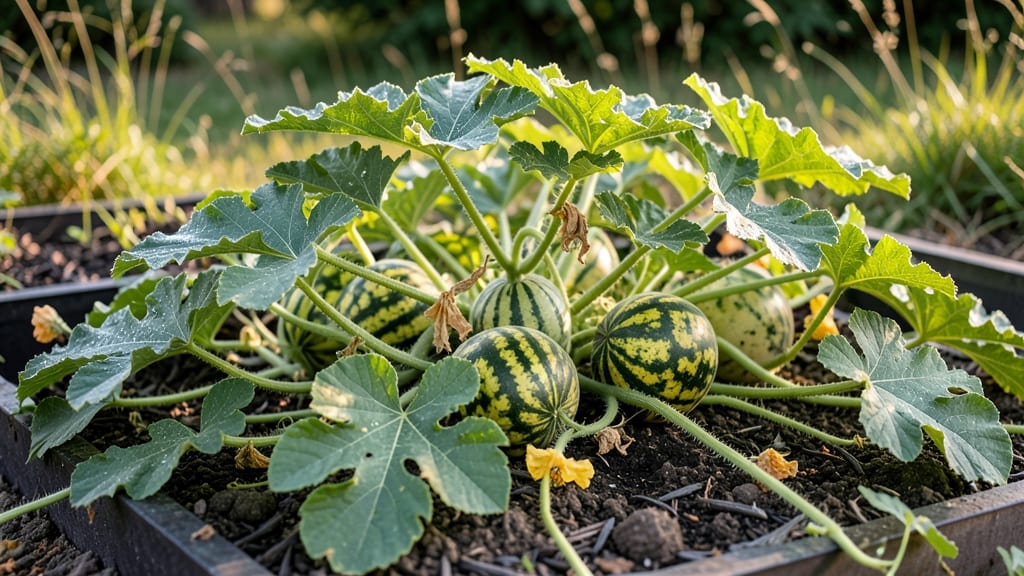
Watermelon plants grow to a massive size—vines stretching 15 to 20 feet long with sprawling leaves that demand serious space in your garden 🍉.
If you’ve ever wondered why your watermelons stay small or struggle to thrive, the answer likely lies in their plant size—and how you space them. Understanding watermelon growth habits is the first step to harvesting juicy, vine-ripping melons every season.
Standard varieties need at least 3 feet of space between plants, while dwarf types can squeeze into tighter spots. Without proper room, vines compete for nutrients, leading to stunted growth and fewer fruits.
Below, I’ll break down the exact spacing needs, trellising tips for small gardens, and how dwarf varieties can change your harvest game—so you get the biggest, sweetest melons possible.
Watermelon plant size guide: how tall and wide they grow
Watermelon plants are famous for their sprawling vine growth, but their actual plant height often surprises new gardeners. While the vines stretch dramatically, the plant itself stays low to the ground—typically between 1 and 2 feet tall.
The real space hog? Those 6-to-20-foot vines that spread outward like a living carpet. Understanding these dimensions helps you plan your garden layout and avoid overcrowding, which can lead to poor fruit production.
Most watermelon varieties fall into three size categories: dwarf, semi-dwarf, and standard. Dwarf varieties, like 'Sugar Baby,' stay compact with vines reaching just 3 to 5 feet, making them ideal for containers or small gardens.
Semi-dwarf types, such as 'Crimson Sweet,' grow 6 to 10 feet long, while standard varieties like 'Charleston Gray' can sprawl 15 to 20 feet or more. Even the smallest varieties need room to breathe—literally—because their leaf spread can reach 3 to 5 feet wide.
The root depth of watermelon plants is another critical factor. While the vines spread horizontally, roots typically grow 12 to 18 inches deep, which means they need well-draining soil to prevent rot.
If you're growing in containers, ensure the pot is at least 12 inches deep and wide enough to accommodate the vine length. Shallow roots also mean watermelons are sensitive to drought, so consistent watering is a must during the growing season.
| Variety Type | Vine Length | Plant Height | Leaf Spread | Root Depth | Best For |
|---|---|---|---|---|---|
| Dwarf | 3–5 ft | 1 ft | 2–3 ft | 12–15 in | Containers, small gardens |
| Semi-Dwarf | 6–10 ft | 1–2 ft | 3–4 ft | 15–18 in | Raised beds, trellises |
| Standard | 10–20+ ft | 1–2 ft | 4–5 ft | 18–24 in | Large gardens, ground cover |
| Hybrid (e.g., 'Sugar Bush') | 5–8 ft | 1–1.5 ft | 3 ft | 12–16 in | Balconies, small spaces |
If you're growing watermelons in a container garden, choose dwarf or hybrid varieties to save space. A 5-gallon pot works for dwarf types, but semi-dwarf and standard varieties need 15-gallon containers or larger to accommodate their roots and vines.
For in-ground planting, allocate at least 3 to 5 feet of space per plant for dwarf varieties and up to 10 feet for standard types. This spacing prevents competition for nutrients and sunlight, which directly impacts fruit size and yield.
One common misconception is that watermelon plants grow upward like tomatoes. In reality, their sprawling vines need horizontal space to thrive. If you're short on ground space, consider vertical trellising for semi-dwarf varieties.
While this won’t work for standard types (their fruit weight can break trellises), it’s a great way to save space for smaller varieties. Just ensure the trellis is sturdy and at least 6 feet tall to support the vines and any small fruits.
The leaf structure of watermelon plants also plays a role in their size. Large, palmate leaves can reach 1 to 2 feet wide and create a dense canopy. This shade helps protect the fruit from sunburn but can also block sunlight from reaching other plants if spaced too closely.
Pruning excess leaves near the fruit can improve airflow and reduce disease risk, but avoid over-pruning, as leaves provide energy for the plant through photosynthesis.
For gardeners in cooler climates, plant size can
Optimal spacing for watermelon plants by variety and growing conditions
Watermelon plants thrive when given the right amount of space to spread their 6-20 foot vines and develop strong roots. Proper spacing improves air circulation, reduces disease risk, and ensures each plant gets enough sunlight and nutrients for maximum yield.
I’ve grown watermelons in everything from containers to sprawling garden beds, and spacing makes all the difference!
Standard varieties like Sugar Baby or Crimson Sweet need the most room, while dwarf varieties (like Tiny Tim) can thrive in smaller spaces. Even the way you trellis your plants—whether vertically or horizontally—affects how much space they’ll need.
Let’s break down the science-backed spacing guidelines for different varieties and growing conditions.
For hot, dry climates, I recommend spacing plants slightly wider than the guidelines to reduce competition for water. In cool, wet climates, you can space them closer together since humidity and rainfall reduce stress.
Always ensure 6-10 hours of sunlight reaches each plant—shade from neighboring vines can stunt growth and reduce fruit quality.
Trellising is a game-changer for saving space and improving airflow. Vertical trellising works best for semi-dwarf and standard varieties, while dwarf varieties can thrive in containers with small trellises.
I’ve seen 30% larger yields when using trellises because the fruits stay cleaner and diseases like powdery mildew are less likely to spread. Just ensure your trellis is 6-8 feet tall to support mature vines.
If you’re growing watermelons in containers or raised beds, choose compact varieties like Bush Baby or Minnesota Midget. These need only 15-gallon pots and can be spaced 12-18 inches apart on a small trellis.
For in-ground planting, always mulch heavily to retain moisture and suppress weeds, which compete with watermelon vines for nutrients.
Proper spacing isn’t just about giving plants room to grow—it’s about creating an environment where they can thrive and produce abundant fruit. Whether you’re a backyard gardener or a small-scale farmer, following these guidelines will help you avoid overcrowding, improve yield, and enjoy healthier watermelons every season.
Happy growing! 🌱🍉