
Watering
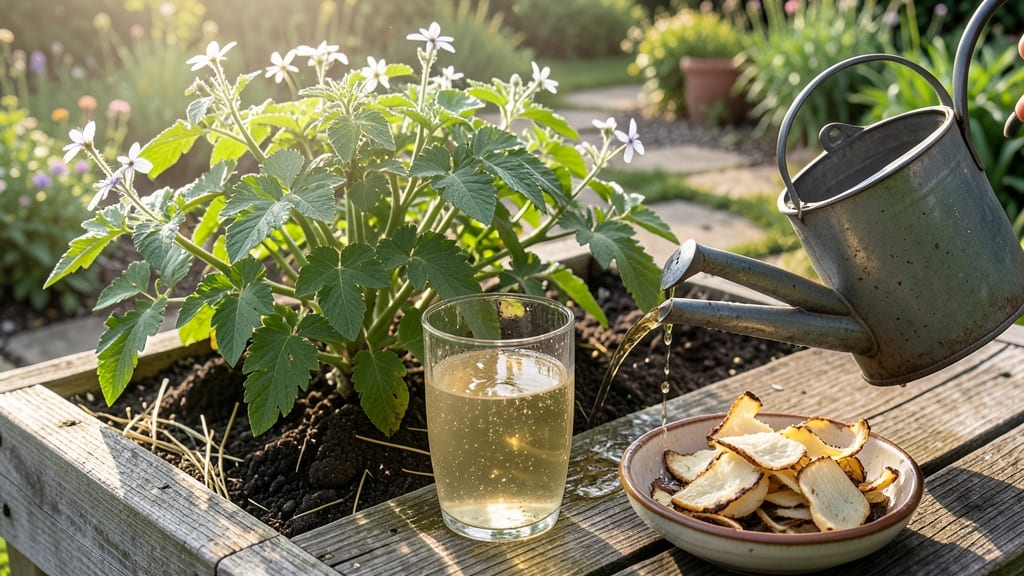
Is boiled potato water good for plants? It can be beneficial when prepared correctly, as it provides potassium, starch, and trace minerals that promote healthy growth—but it requires cooling, dilution, and careful application to prevent soil clogging or pest attraction. Avoid using water with added salt or seasoning.
Is boiled potato water good for plants?
It’s not just kitchen waste—it’s a natural nutrient boost for plants, thanks to its potassium content (about 600-700mg per liter), which supports root development and flowering. 🌱 The starch acts as a slow-release food source for soil microbes, improving nutrient cycling over time.
However, the key is moderation: undiluted potato water can smother roots or create a breeding ground for slugs.
I've found success using a 1:10 ratio (one part cooled potato water to nine parts rainwater) for houseplants like pothos or spider plants, applying it as a soil drench every 4-6 weeks during growing season.
For best results, reserve this method for non-edible plants like ornamentals or herbs, as the starch residue may alter soil structure in vegetable gardens. Always test a small area first—if you notice yellowing leaves or mold within days, flush the soil with plain water immediately.
The magic lies in balance: a little goes a long way when harnessing kitchen scraps for your garden!
💡 In This Article
- Nutritional Breakdown: What Boiled Potato Water Offers Plants
- Safe Ways to Use Potato Water for Gardening
Nutritional breakdown: what boiled potato water offers plants
Boiled potato water contains potassium (about 600-700mg per liter), a critical nutrient for plant growth that supports photosynthesis and enzyme function. This mineral helps strengthen cell walls, making plants more resilient to drought and disease.
The water also contains trace amounts of magnesium and phosphorus, which contribute to root development and energy transfer within the plant. 🌱 The potassium level in potato water rivals that of commercial fertilizers like banana peel tea, offering a natural alternative for gardeners.
The starch released during boiling acts as a slow-release food source for beneficial soil microbes. These microbes break down the starch into simpler sugars, which they consume while releasing nutrients like nitrogen back into the soil. This process, called microbial nutrient cycling, creates a more fertile environment over time.
However, the starch can also create a gummy texture when concentrated, which may suffocate roots if not diluted properly. Think of it like adding too much sugar to soil—it feeds microbes but can also attract unwanted pests.
Potassium in potato water plays a dual role: it enhances water uptake in plants by regulating the opening and closing of stomata (tiny pores on leaves), and it boosts flower and fruit production. Studies show that plants deficient in potassium often exhibit weak stems and poor resistance to stress.
When applied correctly, potato water can provide a 10-20% boost in potassium levels for plants compared to plain water, making it a valuable supplement for nutrient-deficient soils. 💫
One critical factor is the pH balance of the water. Potatoes are slightly acidic (pH 5.5-6.0), which can lower soil pH over time if used excessively. Most garden plants thrive in a neutral to slightly acidic range (pH 6.0-7.0), so monitoring soil pH after application is wise.
To maintain balance, always use rainwater or distilled water for dilution—tap water with high mineral content can further disrupt soil chemistry when mixed with potato water.
Another key component is the presence of antioxidants like quercetin and chlorogenic acid, which can help protect plants from oxidative stress caused by environmental factors. These compounds act similarly to how they benefit human health, providing a subtle protective layer for plant cells.
However, their concentration in potato water is minimal compared to the potassium and starch, so their impact is more of a bonus than a primary benefit. 🌿
For best results, use potato water within 24 hours of boiling, as the nutrients begin to degrade and bacteria levels rise. Storing it longer can introduce harmful microbes or increase the risk of mold growth.
Always strain out any potato pieces before use to prevent clogging soil pores and attracting pests like slugs, which are drawn to the sticky starch residue.