I’ve always had a green thumb—whether it was sneaking extra seeds from my mom’s garden as a kid or reviving her forgotten houseplants with a little extra love. Now, I’m sharing what I’ve learned over the years, from soil science to the joy of watching something grow from a tiny seed. This site is where I cut through the gardening jargon and focus on what actually works in real yards, not just theory.
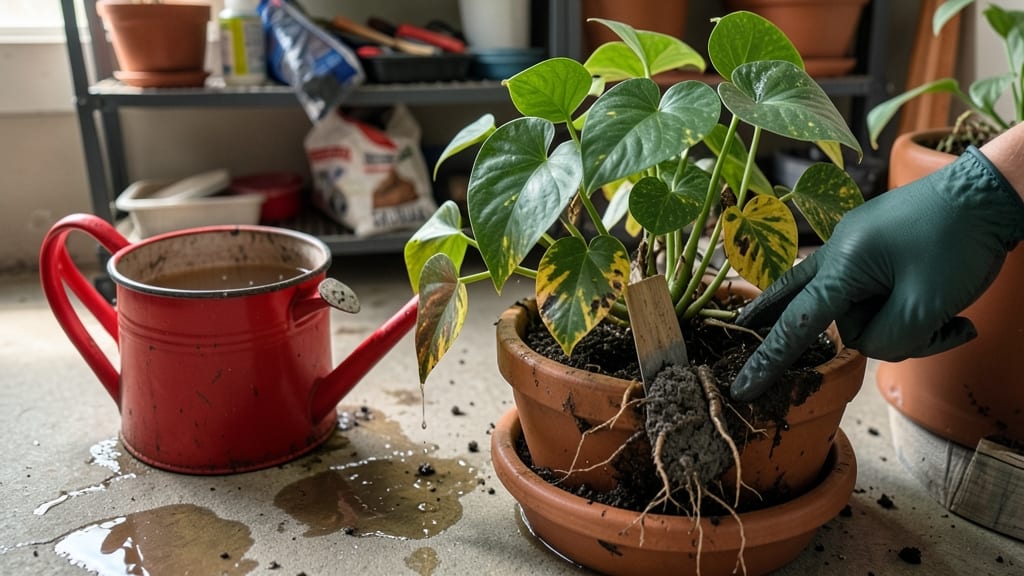
💥 Quick Answer What happens when a plant is overwatered causes root suffocation from oxygen deprivation, triggering root rot, yellowing leaves, wilting, and poor nutrient absorption. The soil often smells foul, and…
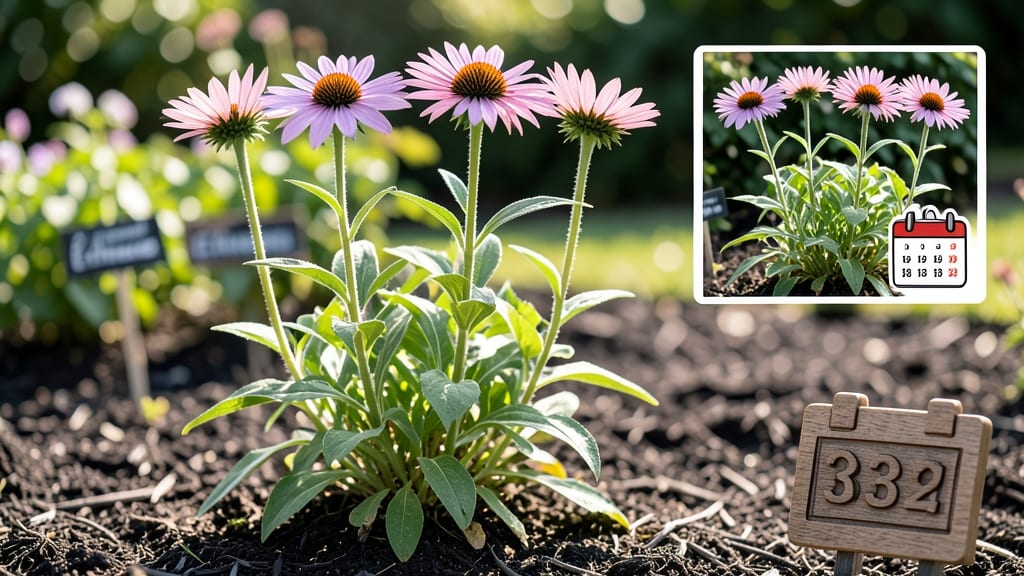
💥 Quick Answer A perennial plant is a flowering or non-flowering species that lives for three or more years, regrowing from the same root system annually after dying back during winter or dormancy. Unlike annuals or…
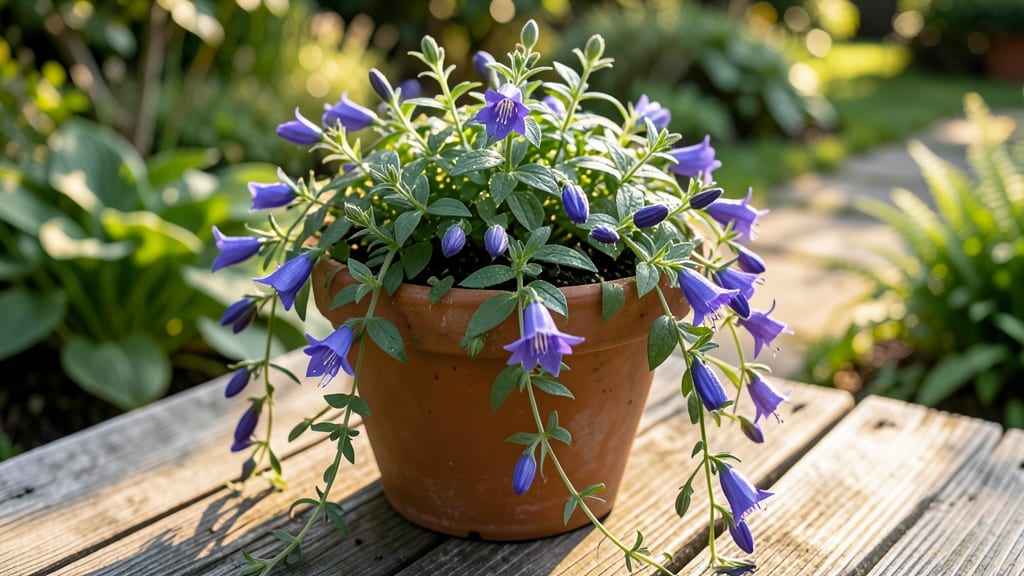
💥 Quick Answer A trailing perennial is a plant that spreads horizontally along the ground, producing new growth from stems or runners while returning each year, offering seasonal color and ground cover without…
💥 Quick Answer A watermelon light is a decorative LED bulb that replicates the warm, glowing appearance of a ripe watermelon, producing gentle ambient lighting without generating heat. It’s perfect for creating cozy…
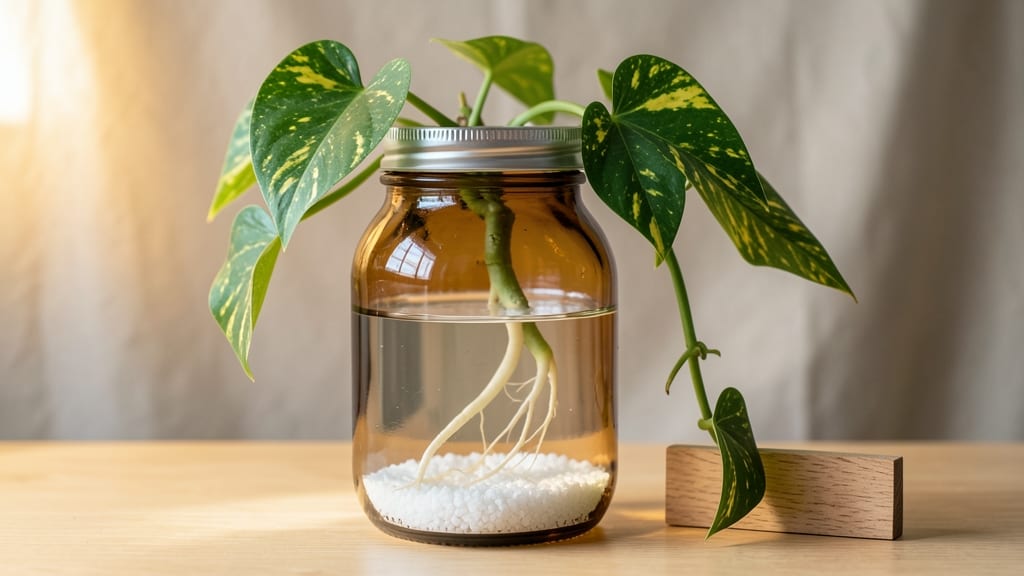
💥 Quick Answer When you grow plants in water instead of soil, it's called hydroponics—a system that delivers essential nutrients directly to roots through water solutions, eliminating the need for traditional growing…
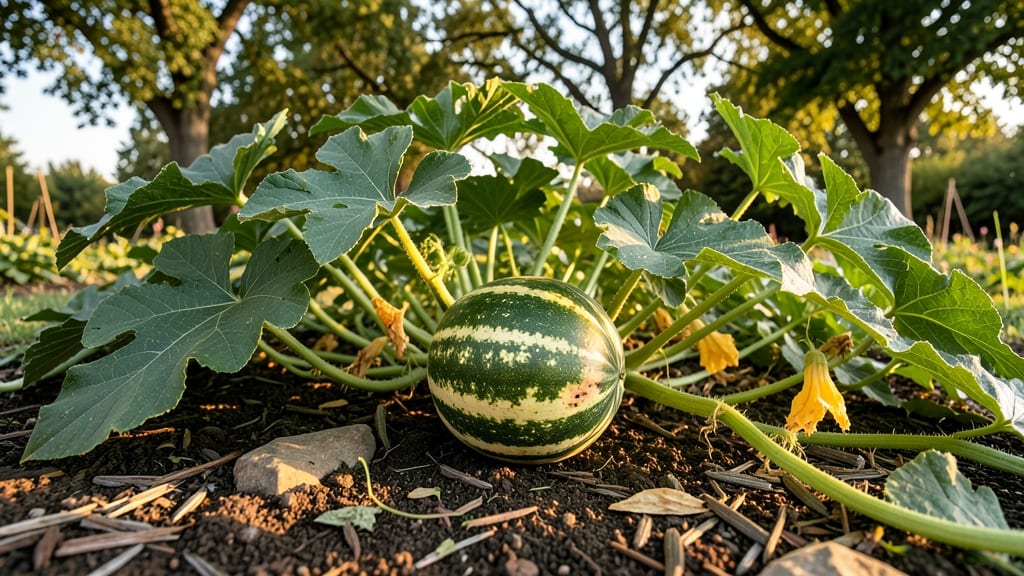
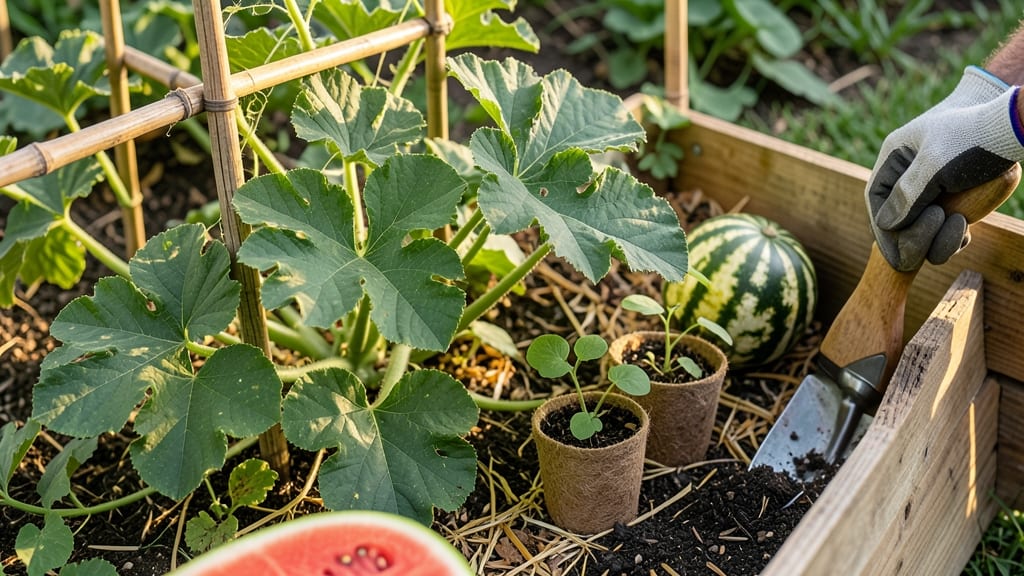
Planting watermelon seeds at the right time means the difference between fast germination and weeks of waiting for those first green shoots to appear 🍉—and the best month depends on where you live. If you’ve ever stared…
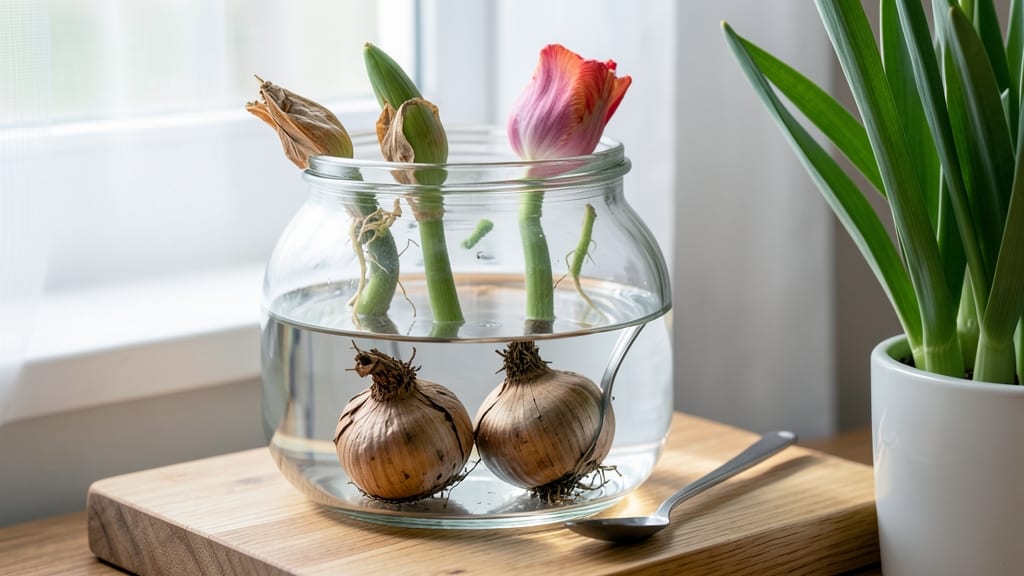
💥 Quick Answer After tulip bulbs flower in water, trim the faded blooms, leave the foliage intact for 6-8 weeks to restore energy, then store bulbs in a dry, cool place until replanting. Avoid forcing them again…
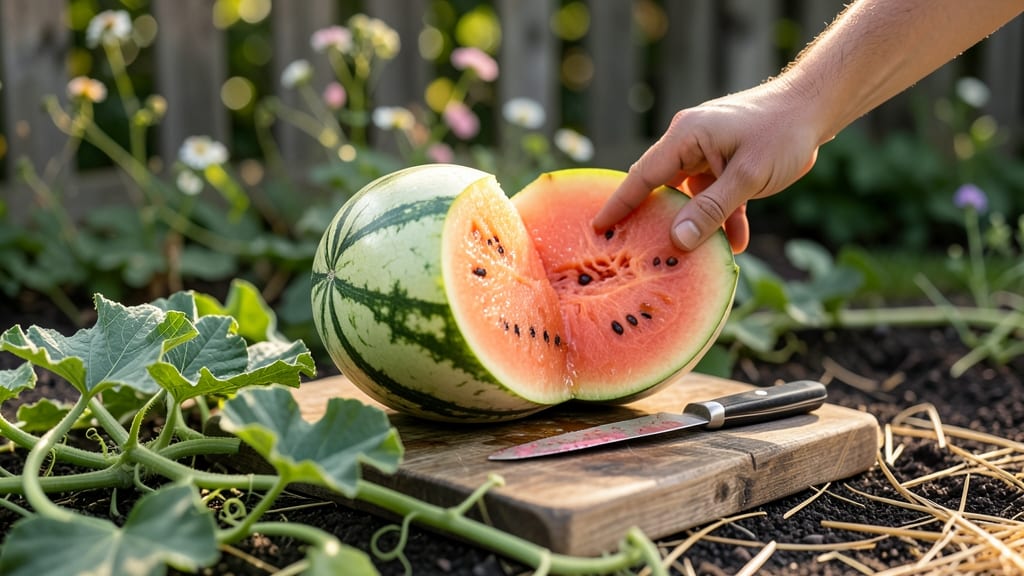
When are Sugar Baby watermelons ripe? The answer lies in their creamy green rind and browned tendrils—but timing this perfectly means the difference between a sweet burst and a bland bite. Picture this: you’ve waited all…
Plant watermelon in Florida between February and April for a spring harvest or July and August for fall, when soil temperatures hit 70°F for fast germination. If you’ve ever watched a watermelon vine bolt in the heat or…
Planting watermelon in Georgia after the last frost—typically mid-April to mid-May—sets the stage for a bountiful harvest 🍉, but timing is everything in the Peach State’s climate. Georgia’s scorching summers are perfect…