I’ve always had a green thumb—whether it was sneaking extra seeds from my mom’s garden as a kid or reviving her forgotten houseplants with a little extra love. Now, I’m sharing what I’ve learned over the years, from soil science to the joy of watching something grow from a tiny seed. This site is where I cut through the gardening jargon and focus on what actually works in real yards, not just theory.
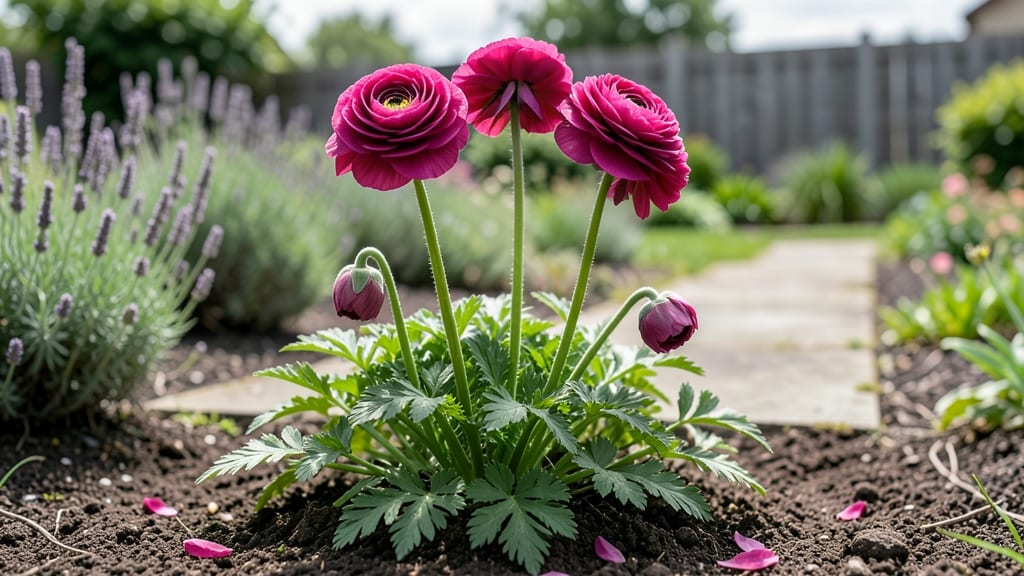
Ranunculus aren't perennials in most climates—but they do return reliably with the right care. 🌱 These showstopping blooms grow from tuberous roots that go dormant in winter, then regrow each spring if protected from…
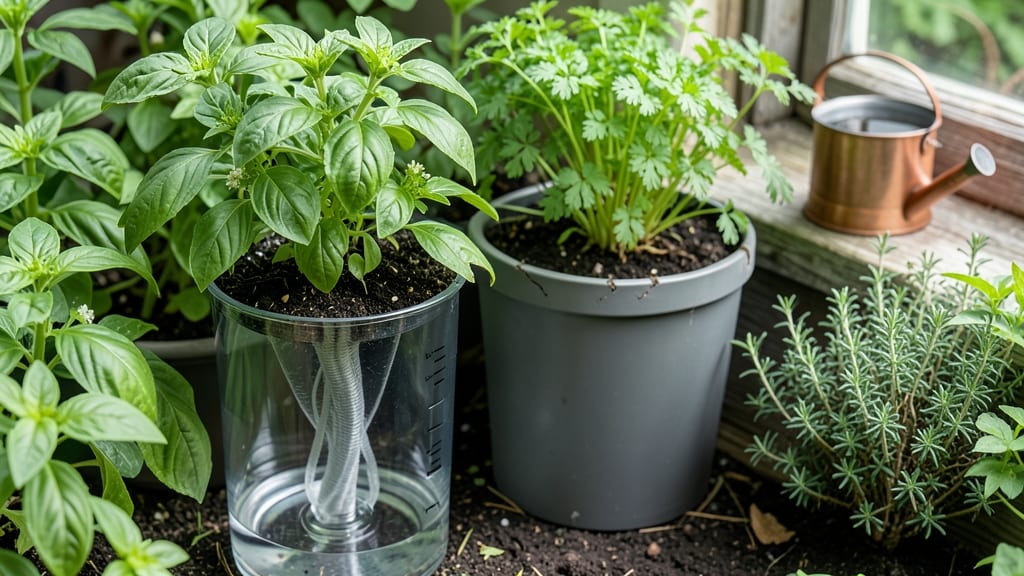
💥 Quick Answer Self watering planters are worth it for busy gardeners or those with sensitive plants, as they automate moisture control and prevent common watering mistakes that lead to root rot or dehydration. These…
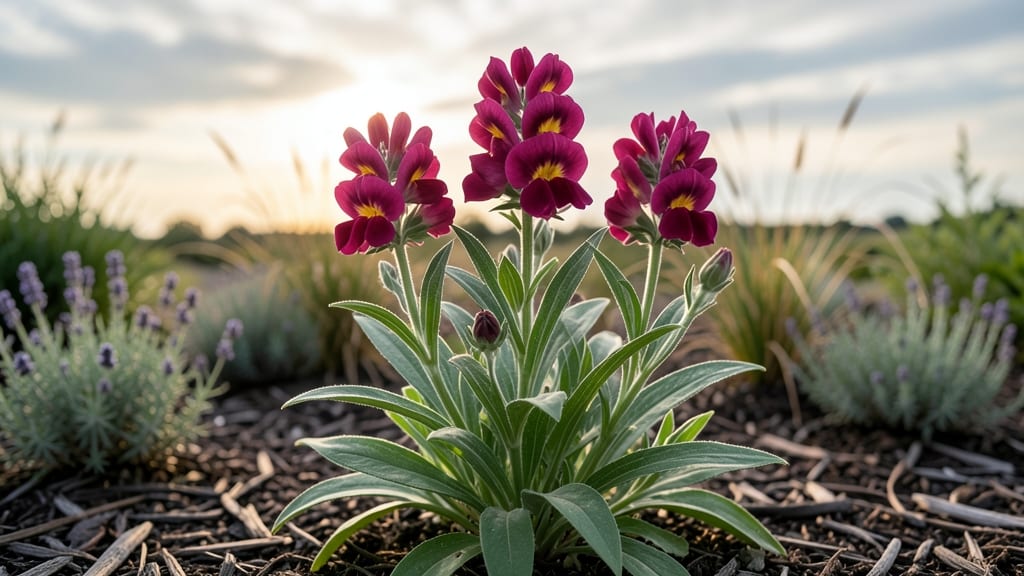
💥 Quick Answer Snapdragons aren't true perennial flowers in most regions, though they act like biennials or short-lived perennials in frost-free climates. Their above-ground growth dies back each year, but the roots…
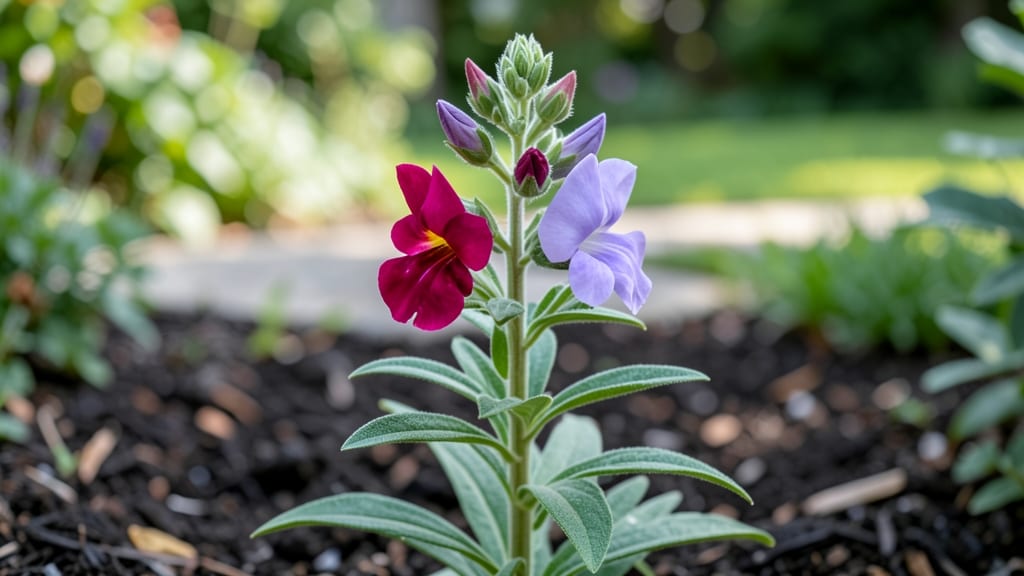
💥 Quick Answer Snapdragons are perennial plants in most climates, though they typically behave as biennials or short-lived perennials, dying back after flowering but regrowing from their root system in spring if winter…
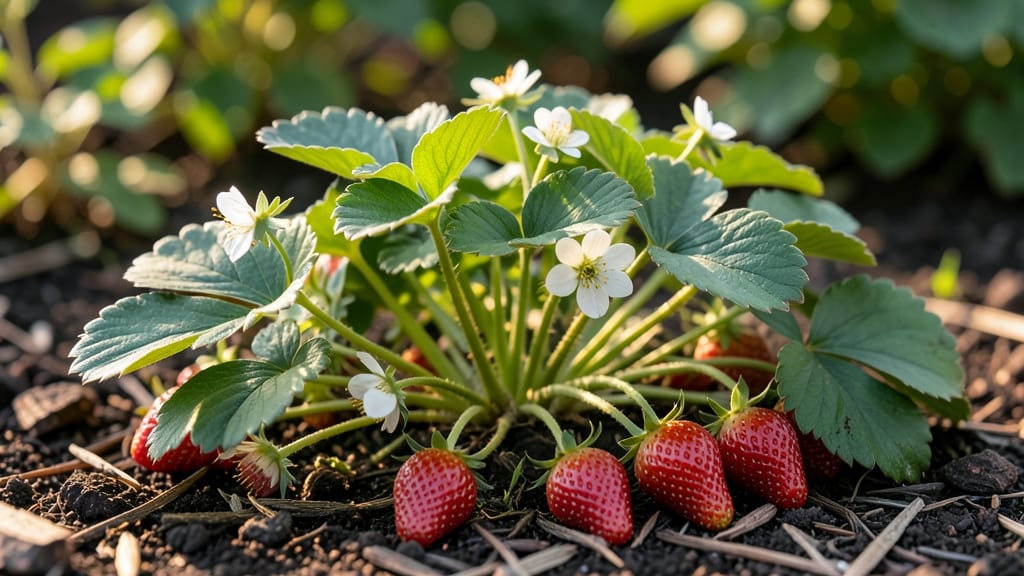
💥 Quick Answer Strawberries in Zone 7 are perennial, but their crowns typically die back each winter due to cold temperatures, forcing regrowth from the roots in spring. With the right winter care, you can boost their…
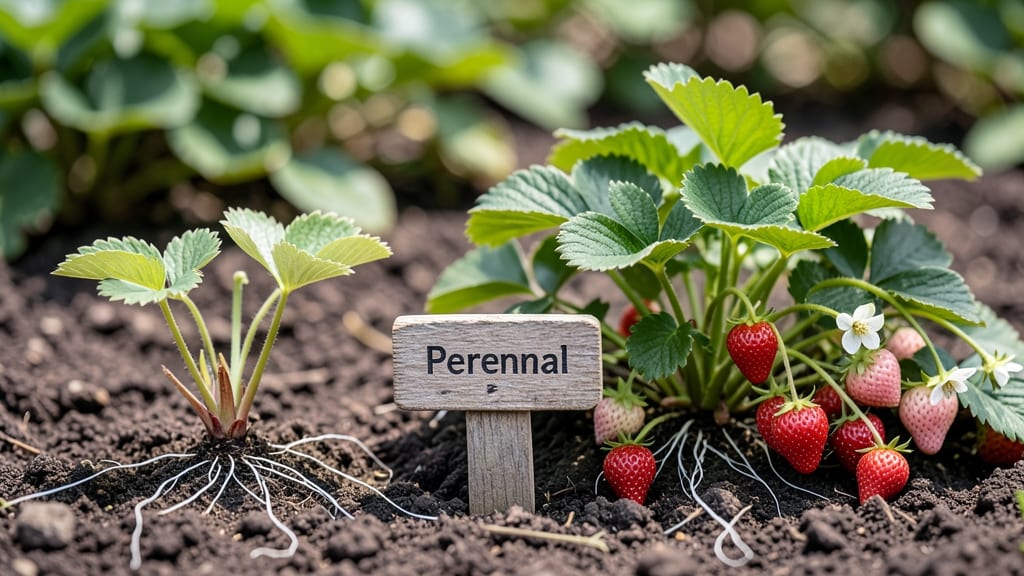
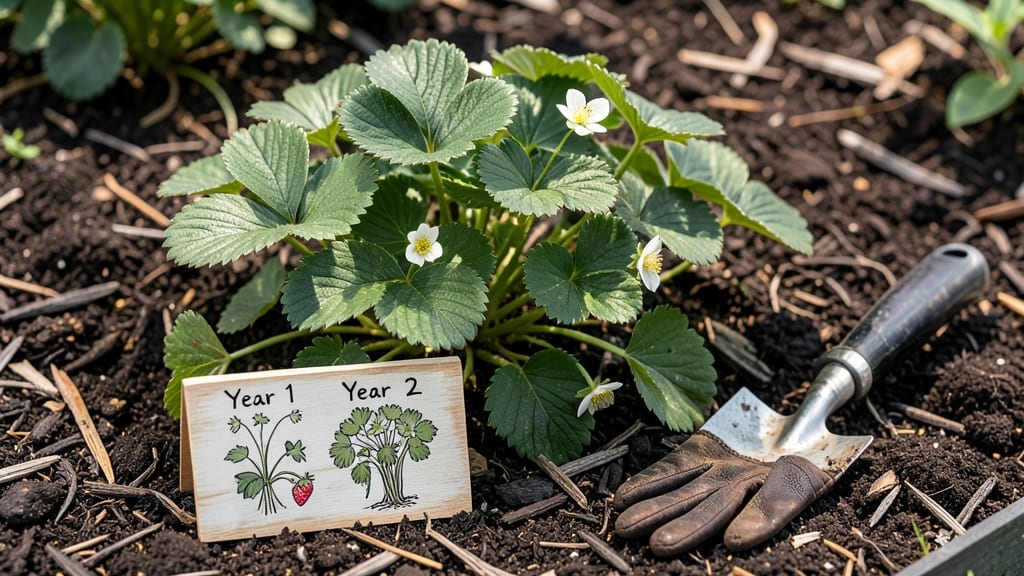
💥 Quick Answer Yes, strawberries are perennials that regrow each spring from their dormant crowns and roots, though some varieties weaken after 2-3 years without renewal. Their underground structures stay alive through…
Strawberry plants are perennial, but don’t let that fool you into thinking they’ll thrive forever without care. 🌱 I’ve watched my June-bearing strawberries send up new leaves every spring for years, but they need the…
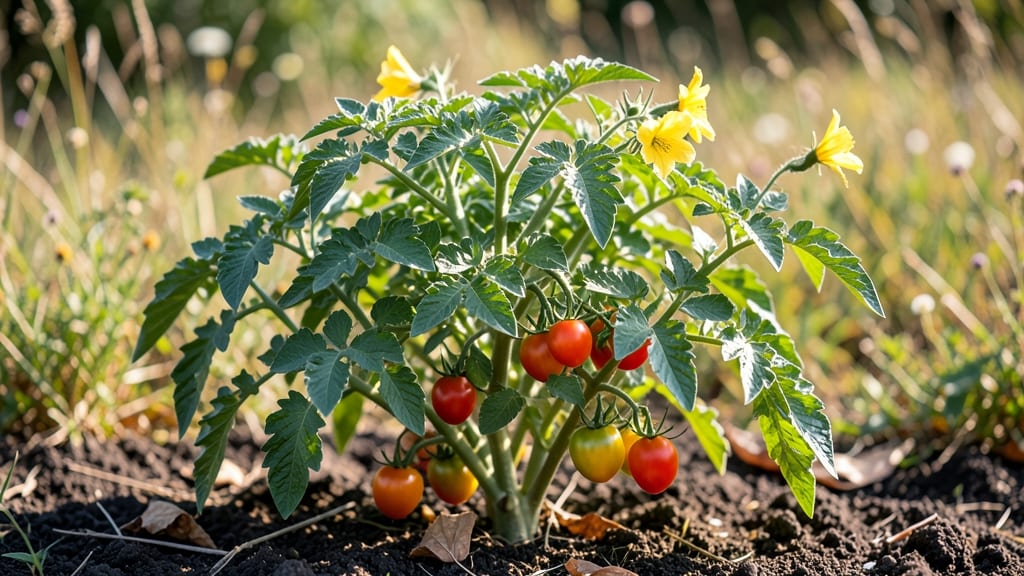
💥 Quick Answer Tomato plants are not perennial—they die back after producing fruit in one growing season, but their roots may survive in frost-free climates. With proper care, you can regrow them from the base or…
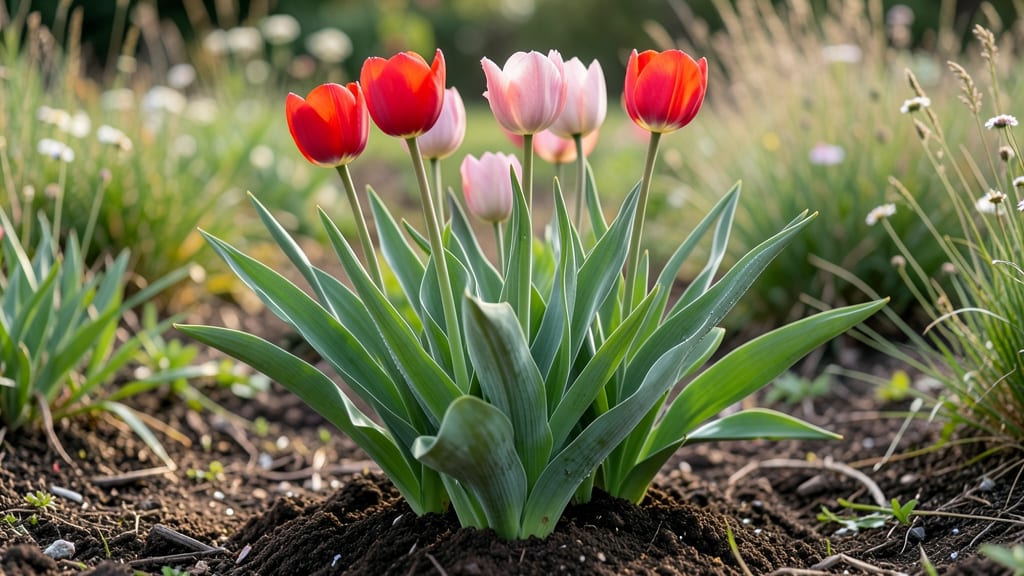
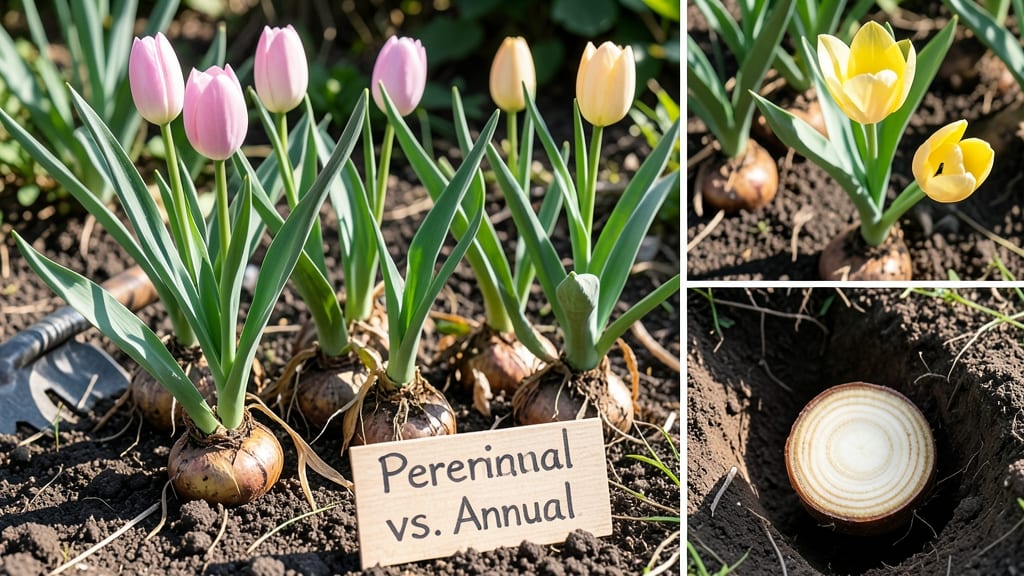
💥 Quick Answer Tulips aren't true perennial plants—their above-ground stems and leaves die back completely each year, but their underground bulbs store energy to regrow for several seasons if cared for properly. Their…
💥 Quick Answer Tulips are perennials because they regrow from the same underground bulb each season, but their lifespan depends heavily on climate and care. In colder regions, bulbs often weaken after one year, forcing…