I’ve always had a green thumb—whether it was sneaking extra seeds from my mom’s garden as a kid or reviving her forgotten houseplants with a little extra love. Now, I’m sharing what I’ve learned over the years, from soil science to the joy of watching something grow from a tiny seed. This site is where I cut through the gardening jargon and focus on what actually works in real yards, not just theory.
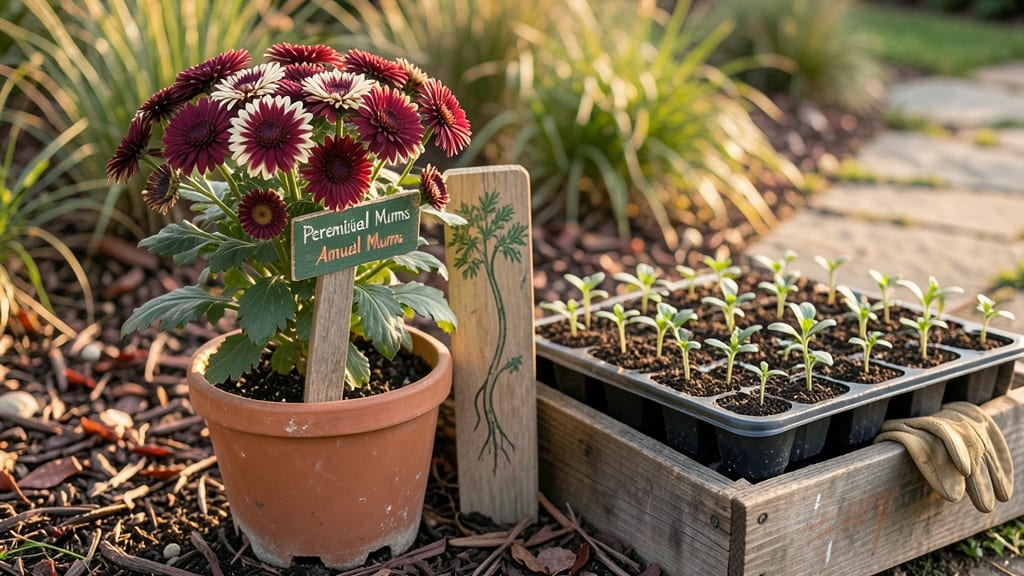
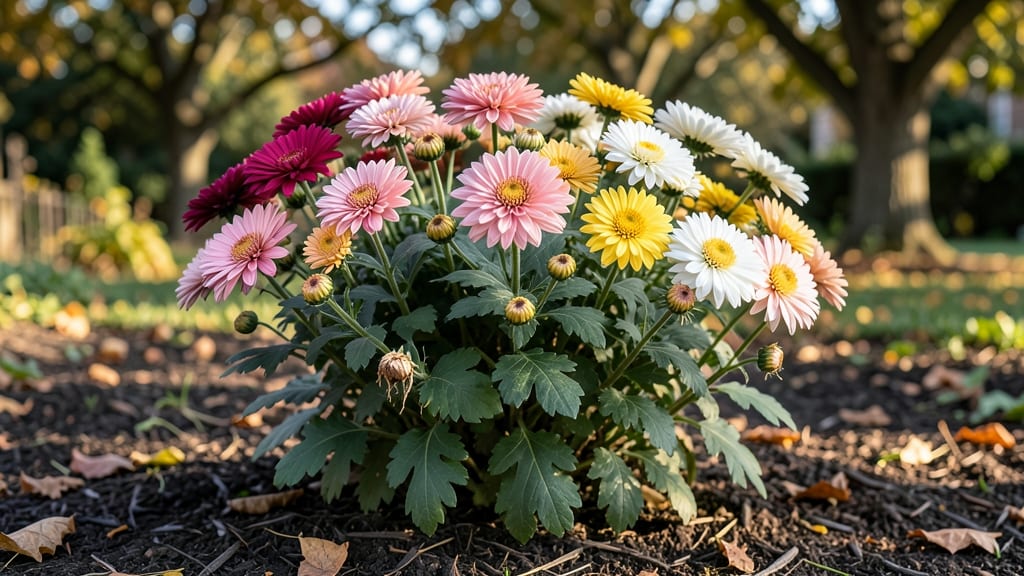
💥 Quick Answer Mums (chrysanthemums) are perennials in most climates but often grown as annuals because they die back in cold weather, though they regrow from roots in warmer zones like Zones 5-9+. This dieback cycle is…
💥 Quick Answer Mums are perennials in USDA Zones 5-9, meaning they regrow each spring from their roots—but gardeners in colder regions often treat them as annuals because frost kills the foliage. Hardy varieties like…
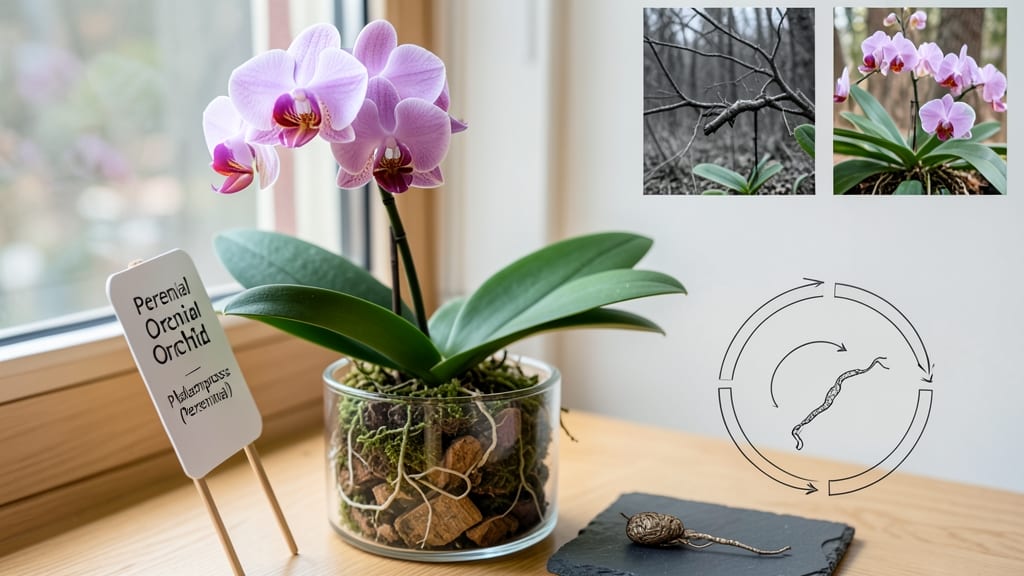
💥 Quick Answer Orchids are perennials because their underground storage structures—rhizomes and pseudobulbs—remain alive through seasonal changes, enabling them to regrow after natural dormancy periods. This perennial…
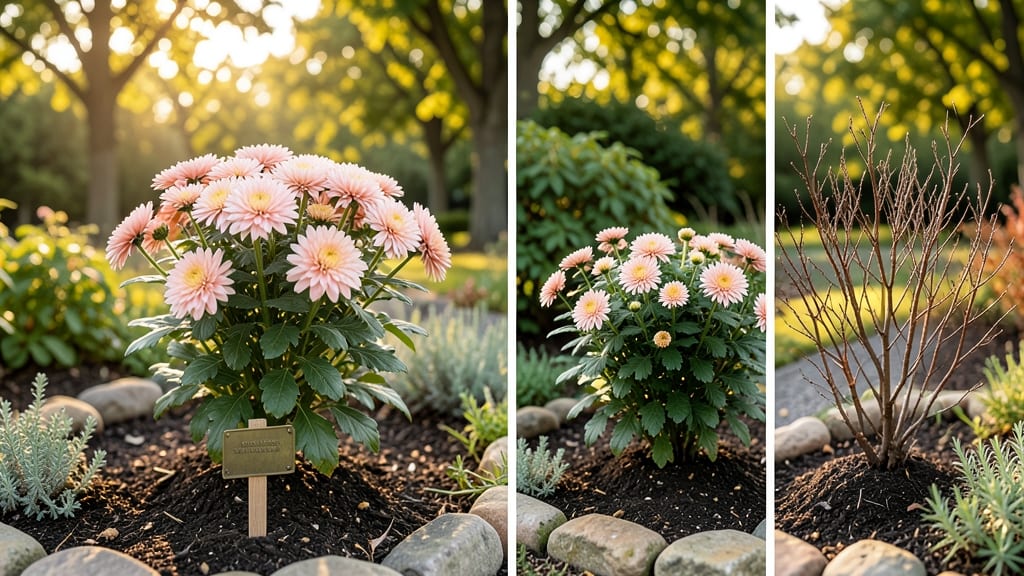
💥 Quick Answer Pelee mums behave like perennials in USDA Zones 8-10, regrowing from their tuberous roots each season, but they're not true perennials in colder climates where frost often kills them back to the ground…
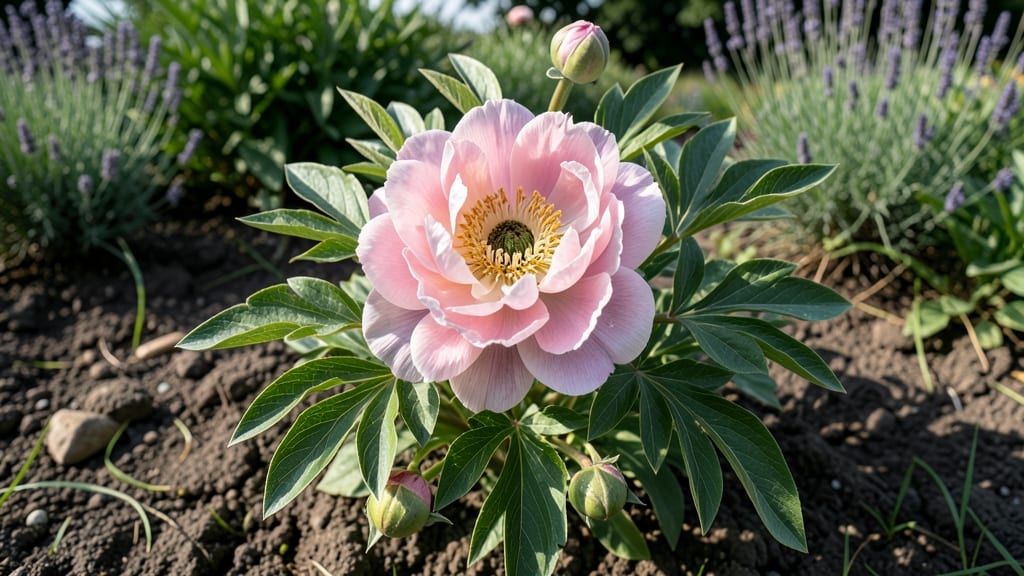
💥 Quick Answer Peonies are perennial plants that thrive through seasonal dieback, returning each spring from their robust underground root systems. This natural cycle means they don’t die annually but instead enter…
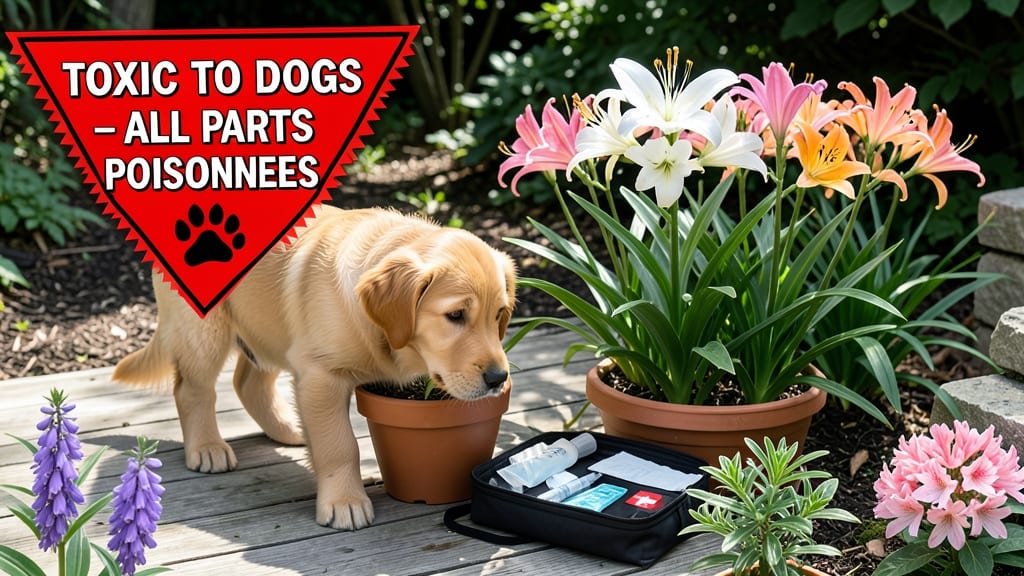
💥 Quick Answer Perennials can be toxic to dogs, with many causing symptoms like vomiting, drooling, or lethargy. Dangerous plants include lilies, foxglove, and azaleas, while safer options like lavender and marigolds…
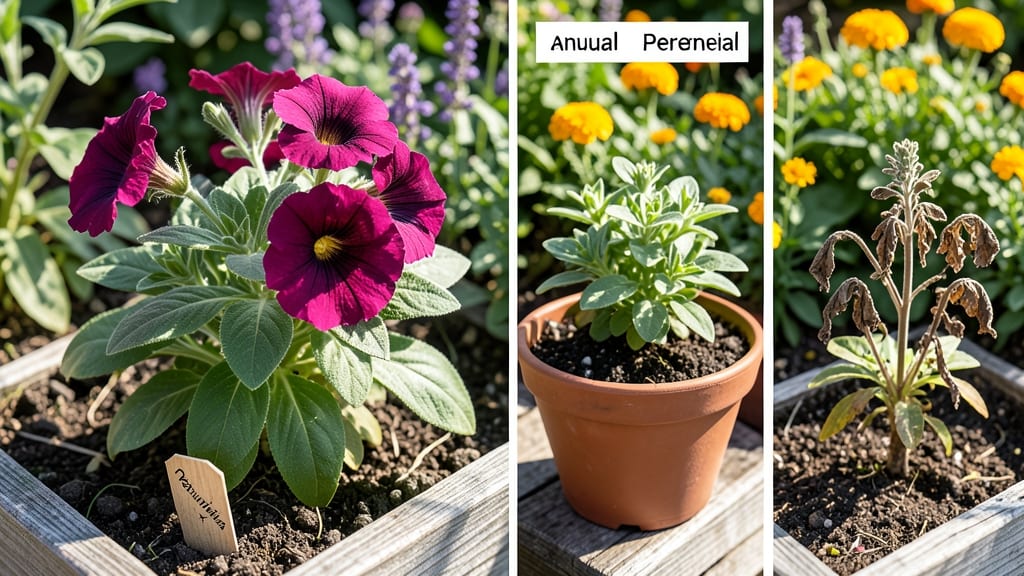
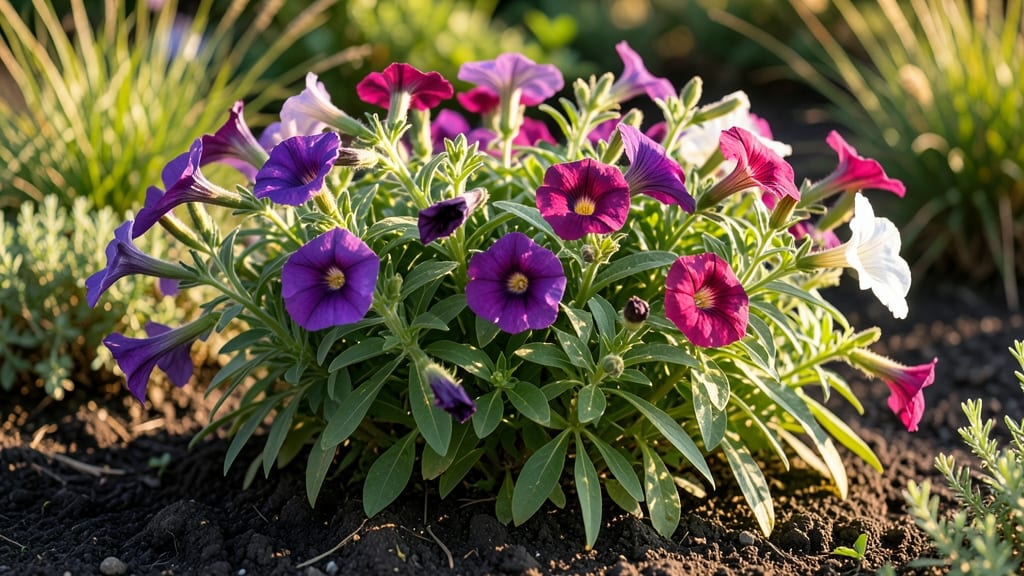
💥 Quick Answer Whether petunias are annuals or perennials depends on your climate: they thrive as perennials only in USDA hardiness zones 10 and warmer, where winters stay above 30°F (-1°C). In colder regions, they're…
💥 Quick Answer Petunias are not perennials in most climates but thrive as annuals, dying back in frost. In USDA Zones 10-12, they return yearly as tender perennials with proper winter care, like mulching or container…
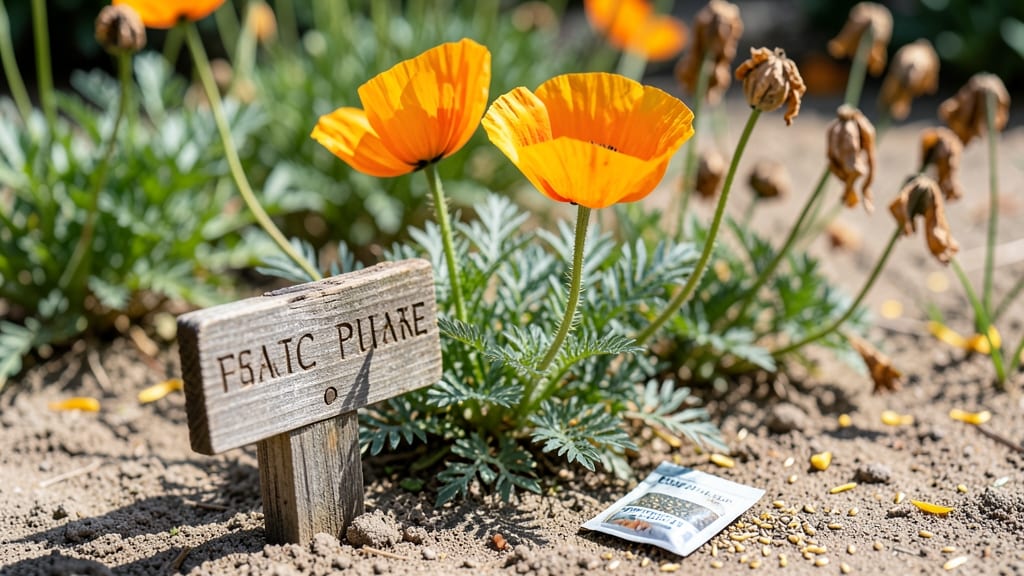
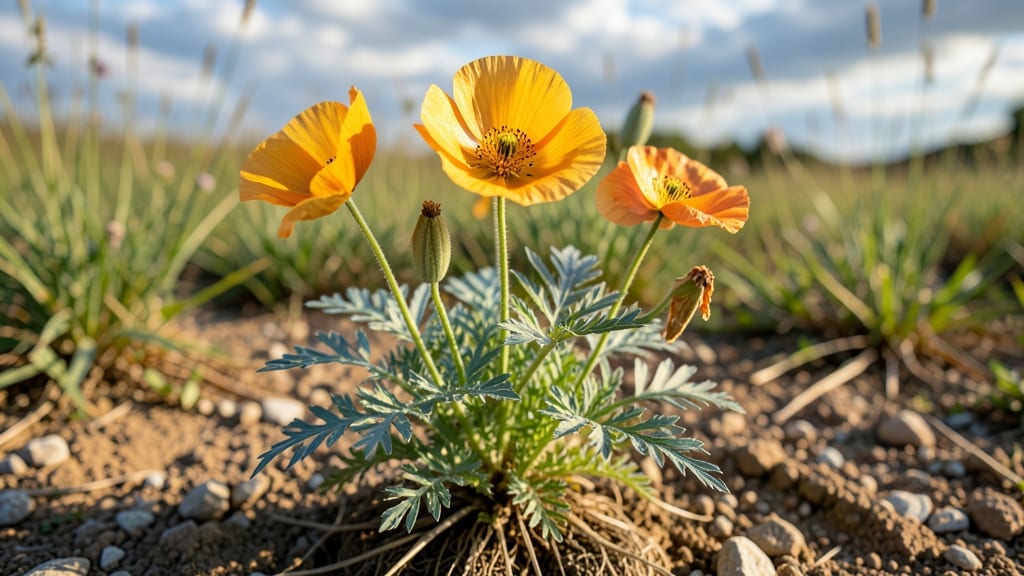
💥 Quick Answer Are poppies annuals or perennials? Most poppies are annuals, though some varieties like the Icelandic poppy ( Papaver nudicaule ) and oriental poppies ( Papaver orientale ) are perennials in mild…
💥 Quick Answer Poppies are not true perennials—they typically die back after flowering but may self-seed prolifically, returning annually in many climates. Some varieties, like Iceland poppies, behave as short-lived…