I’ve always had a green thumb—whether it was sneaking extra seeds from my mom’s garden as a kid or reviving her forgotten houseplants with a little extra love. Now, I’m sharing what I’ve learned over the years, from soil science to the joy of watching something grow from a tiny seed. This site is where I cut through the gardening jargon and focus on what actually works in real yards, not just theory.
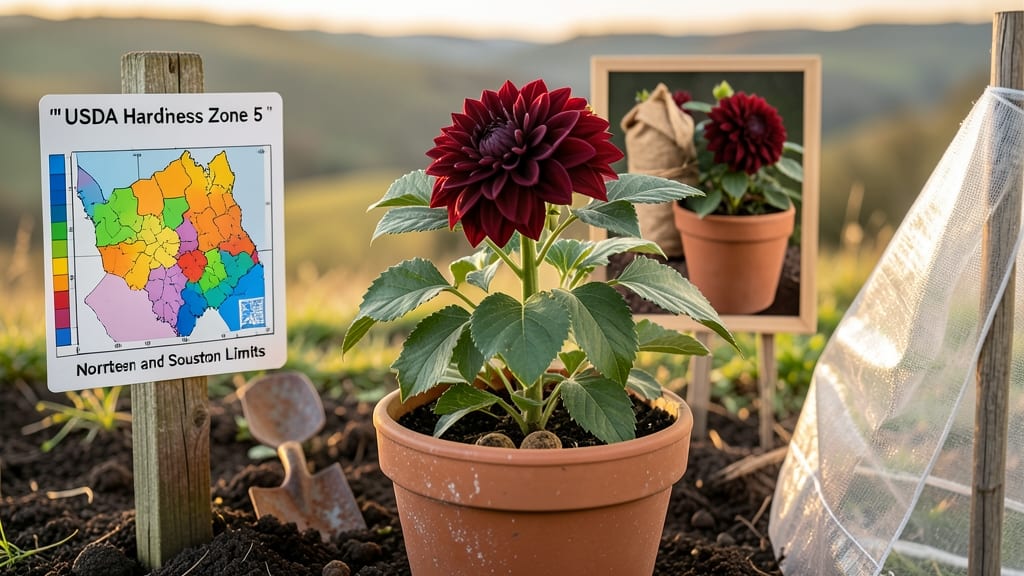
💥 Quick Answer In Zone 5, dahlias are not perennials without winter protection, as they die back when temperatures fall below 20°F . Their tubers need to be dug up and stored indoors to survive harsh winters, though…
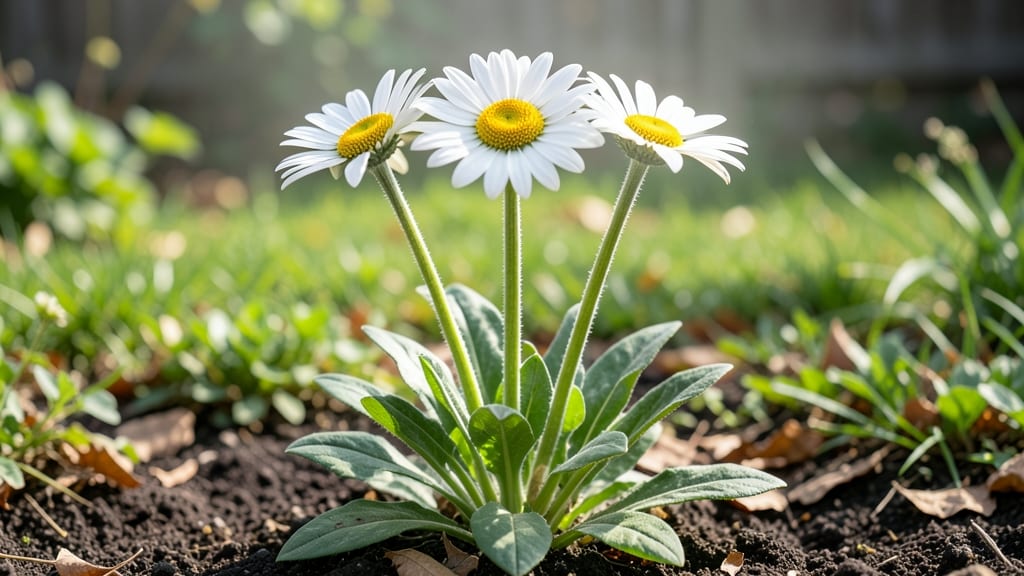
💥 Quick Answer Daisies are perennials in most temperate climates, returning each year with new blooms from the same root system, though some varieties behave as annuals in colder regions or with improper care. Their…
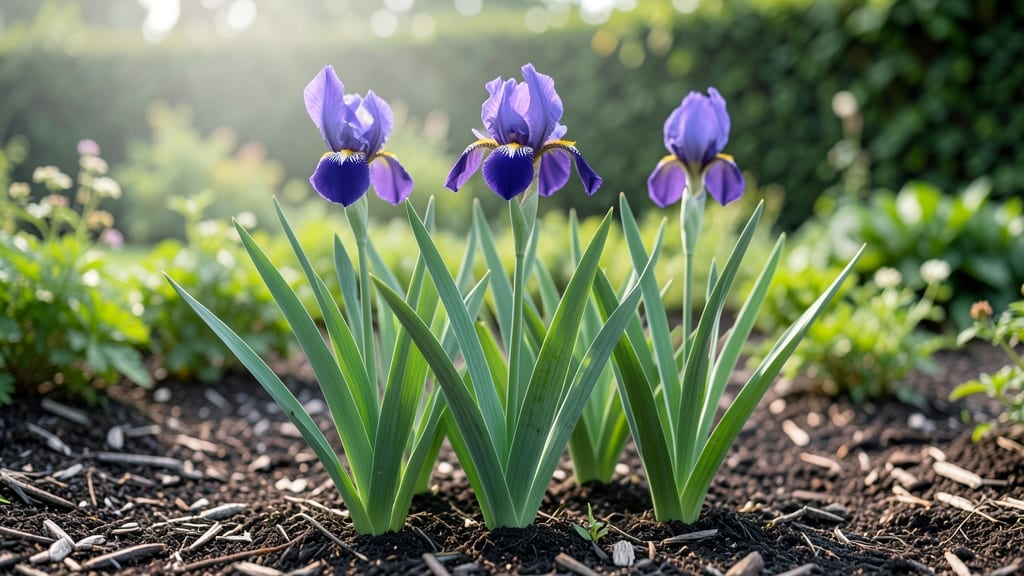
💥 Quick Answer Yes, Dutch irises are perennials that regrow annually from rhizomes, even though their foliage dies back each winter. Their hardy underground stems ensure they return stronger each spring with proper care…
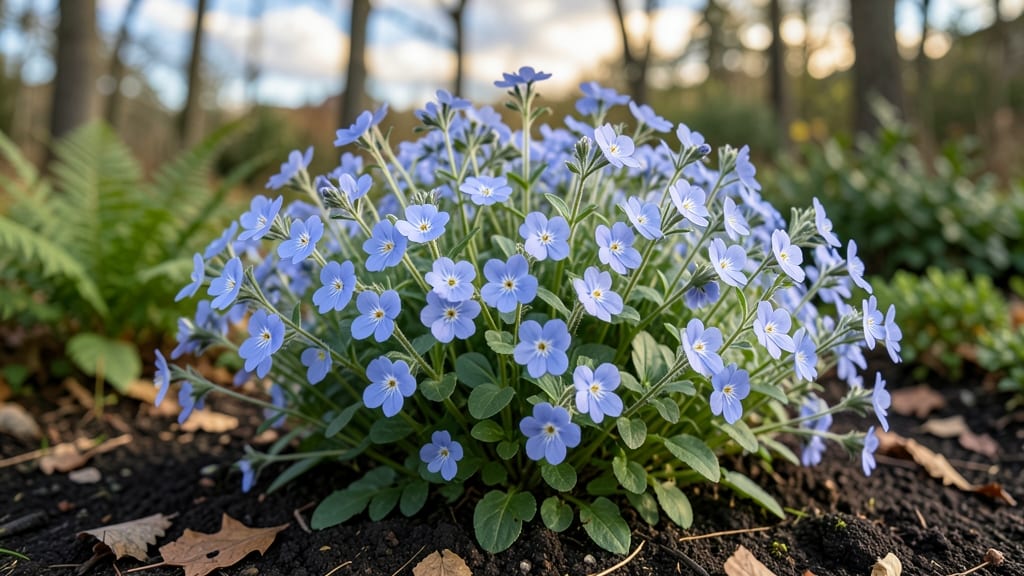
💥 Quick Answer Forget-me-nots are not true perennials in most climates—they usually behave as annuals or biennials, completing their life cycle in one or two years before dying back. Only in USDA zones 3-7 might they…
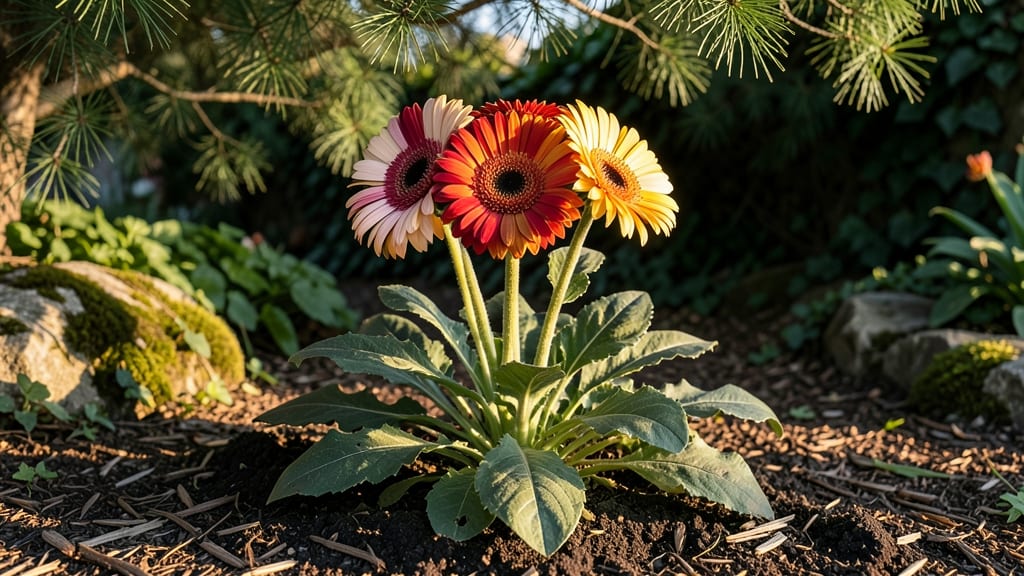
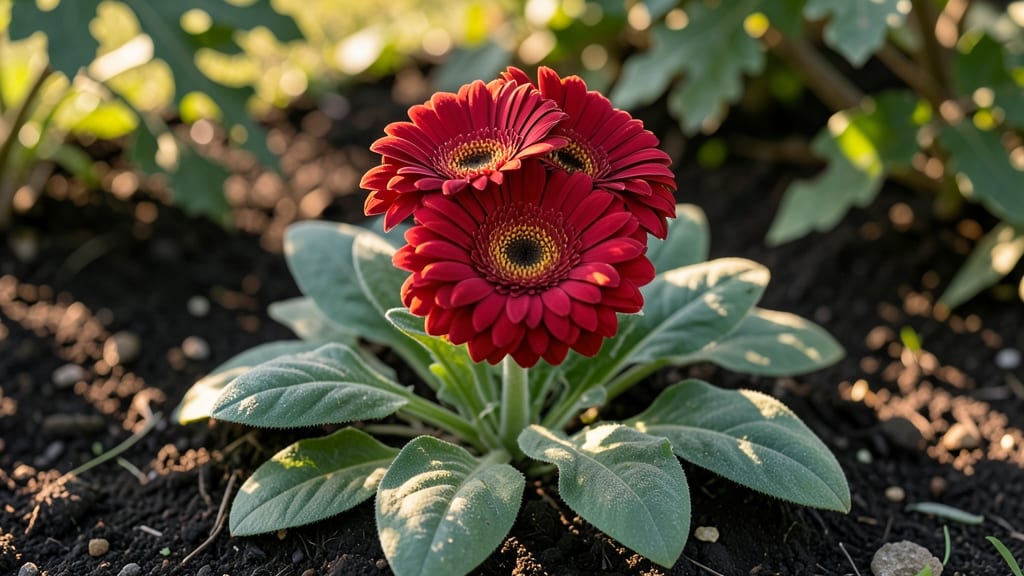
💥 Quick Answer Gerbera daisies are not perennial plants in most regions—they die back to the ground each winter and rarely survive freezing temperatures without protection. While they act like annuals in cold zones…
💥 Quick Answer Gerbera daisies are not true perennials in most climates, dying back to the ground each winter but often returning from roots if protected from freezing. In USDA zones 8-11, they thrive year-round, while…
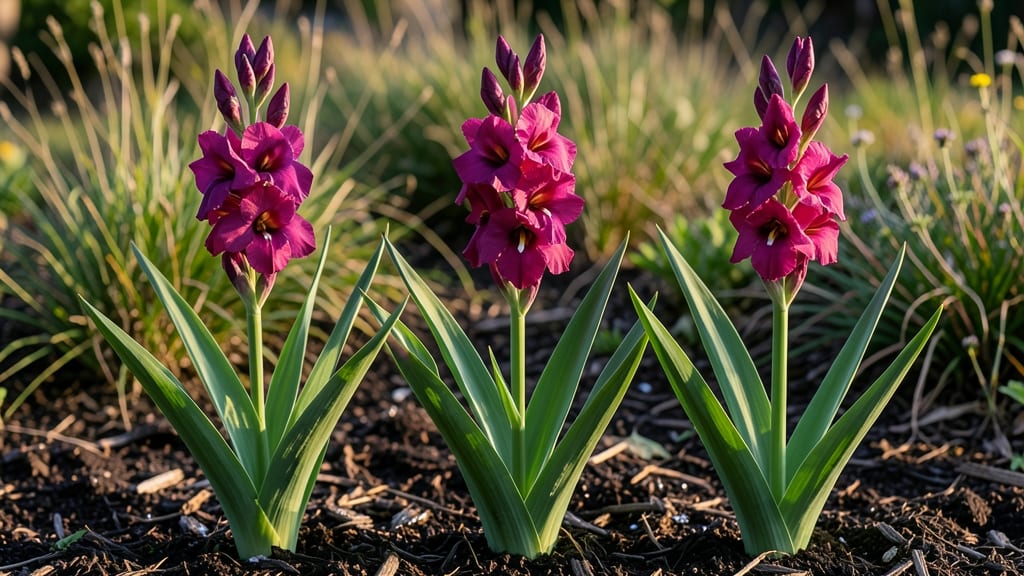
💥 Quick Answer Gladiolus aren't true perennials in most climates—they act like seasonal bulbs, dying back to the ground each winter before regrowing from their corms when spring warmth returns. This behavior stems from…
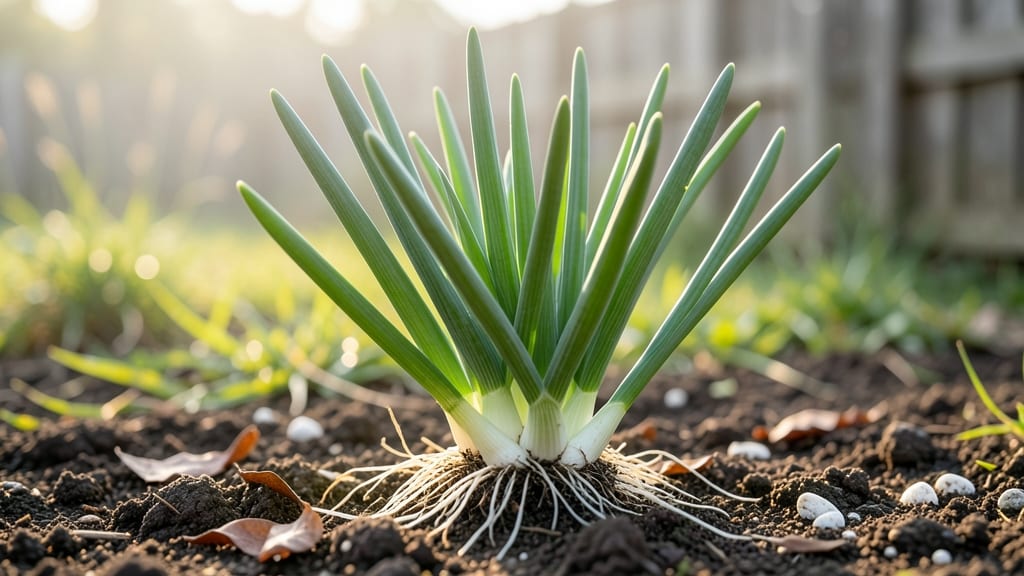
💥 Quick Answer Green onions are indeed perennials, meaning they regrow from the same root system each year, though they typically die back to the ground when temperatures drop below 20°F (-6°C) , only to resprout in…
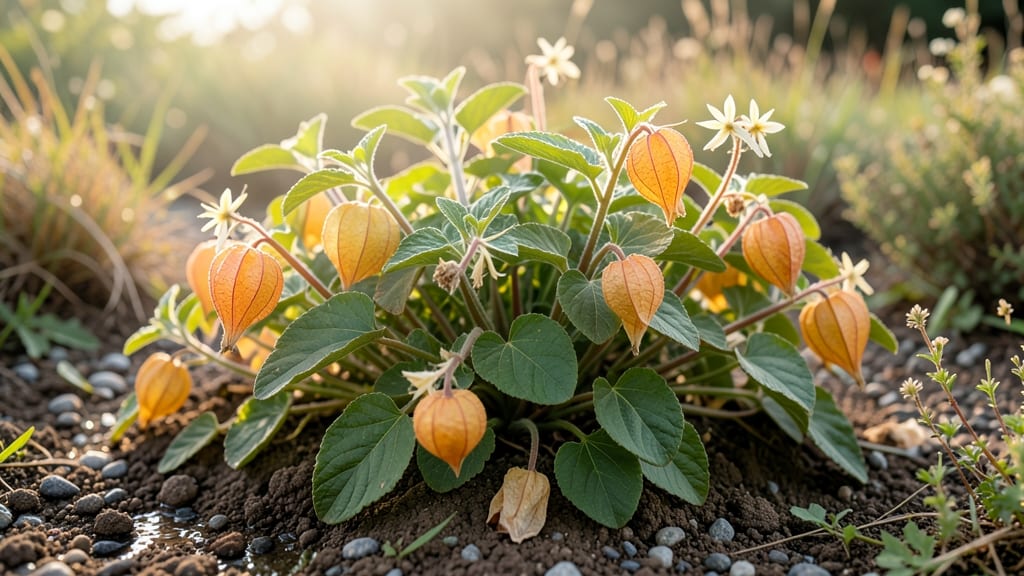
💥 Quick Answer Ground cherries behave like perennials in warm climates but die back annually—their roots survive underground each winter, allowing regrowth when temperatures rise. In colder regions, they act as annuals…
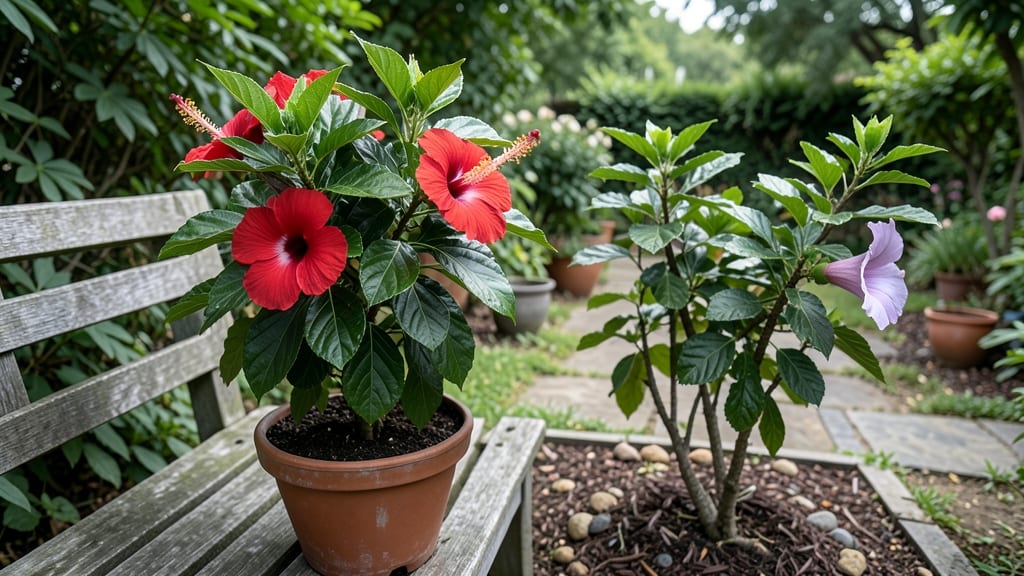
💥 Quick Answer Hibiscus flowers aren't true perennials in cold climates, though they regrow each year from their roots after winter dieback—acting like hardy shrubs in temperate zones or tropical plants in warmer areas…